Laocoon
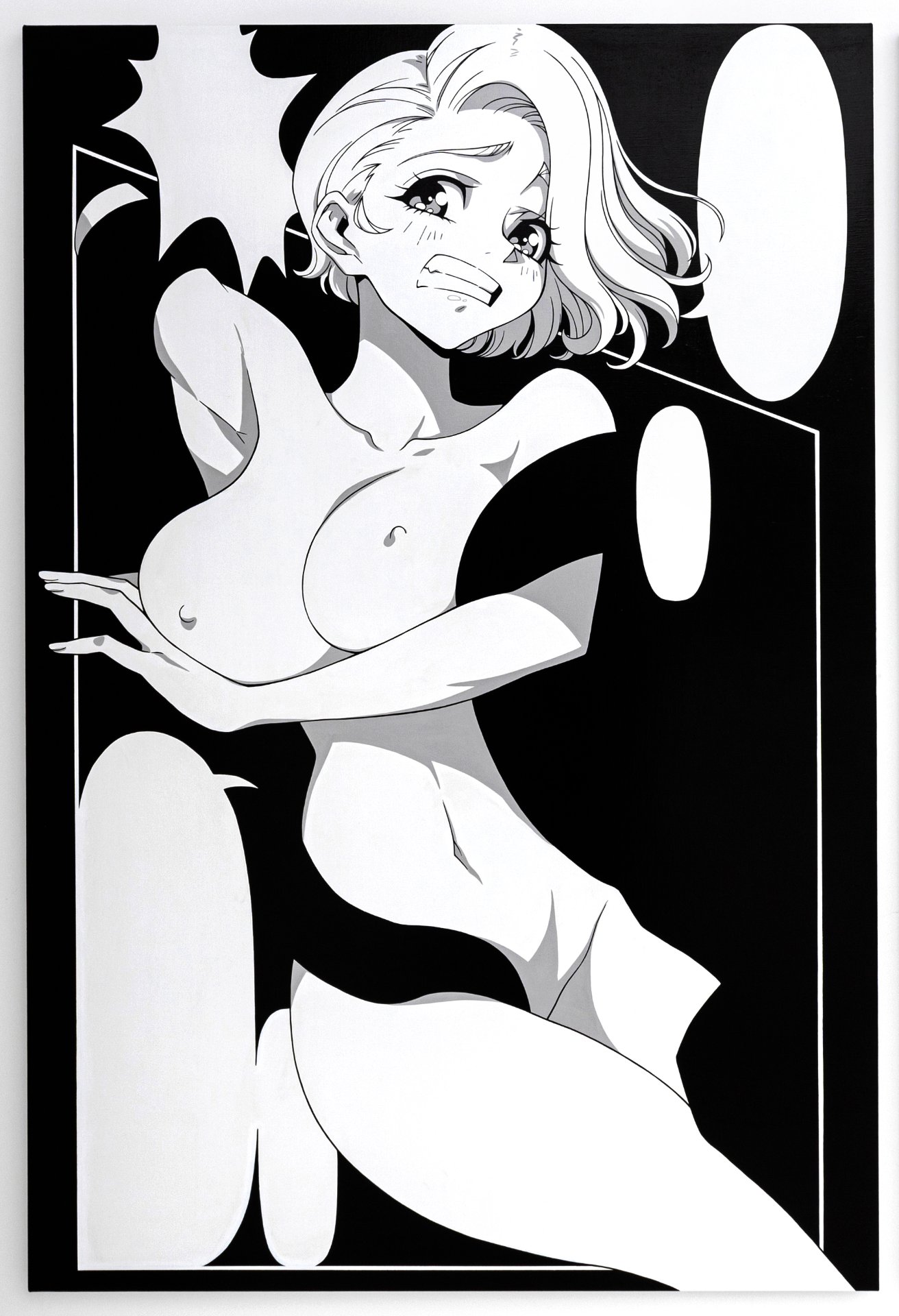
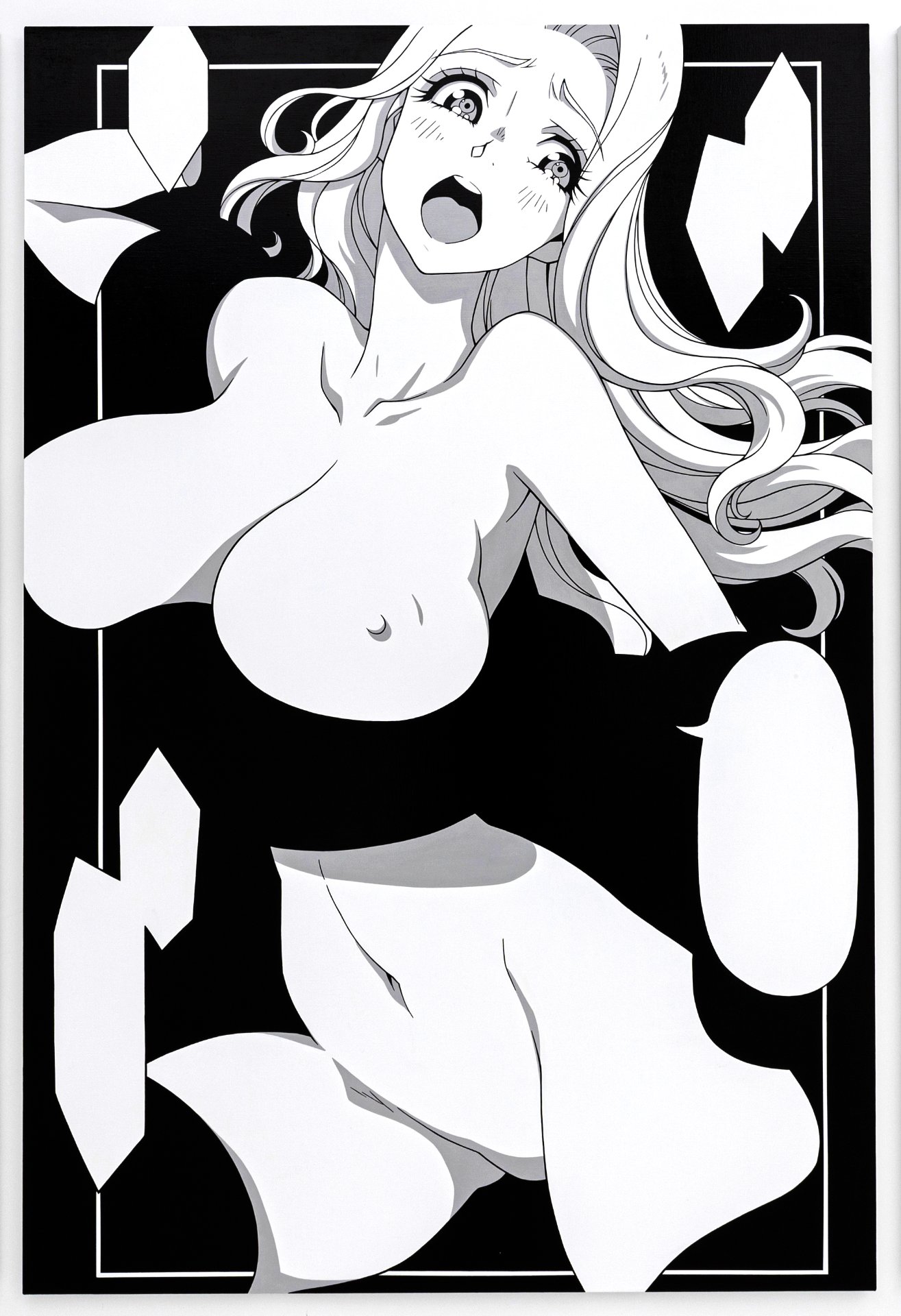
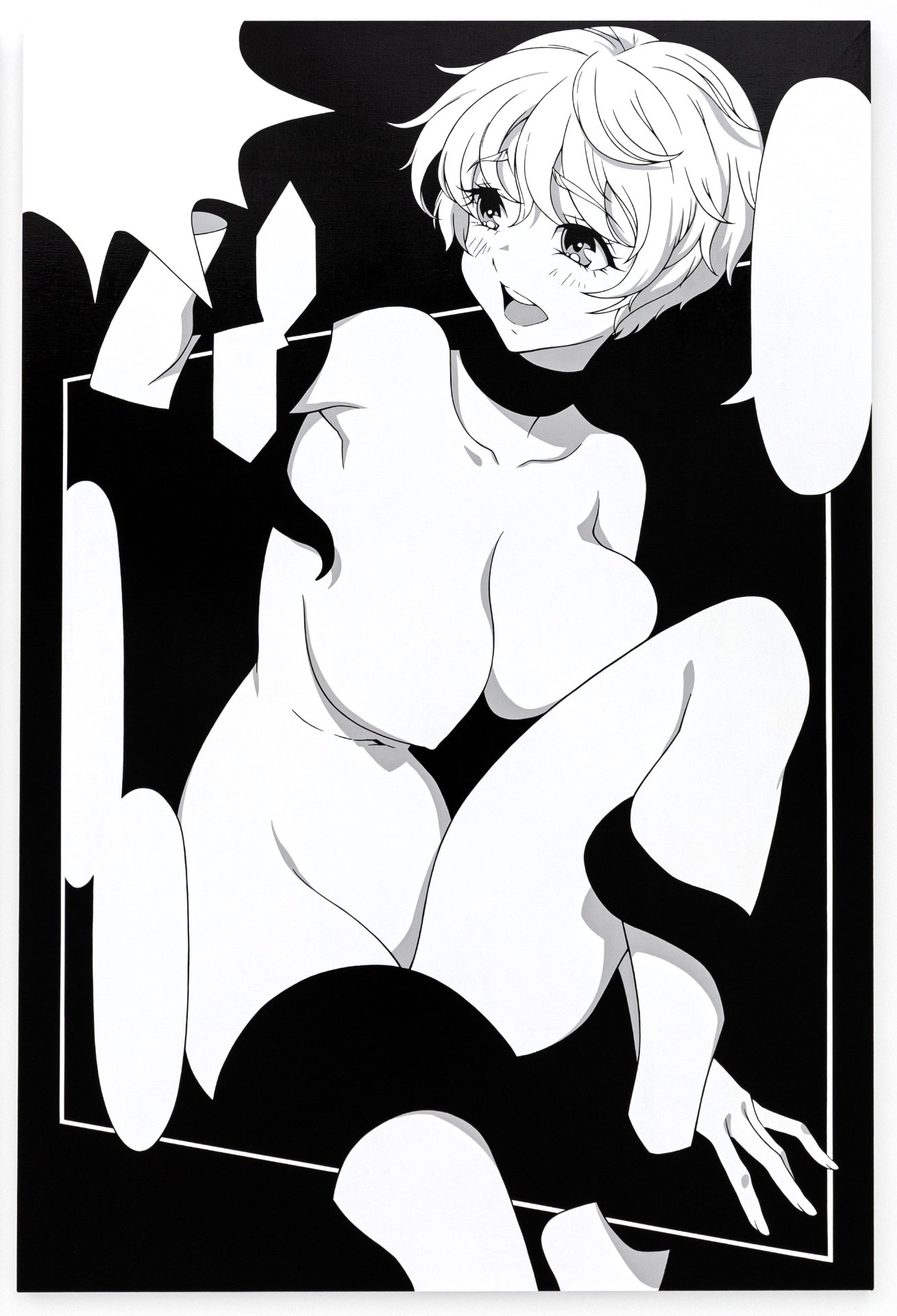
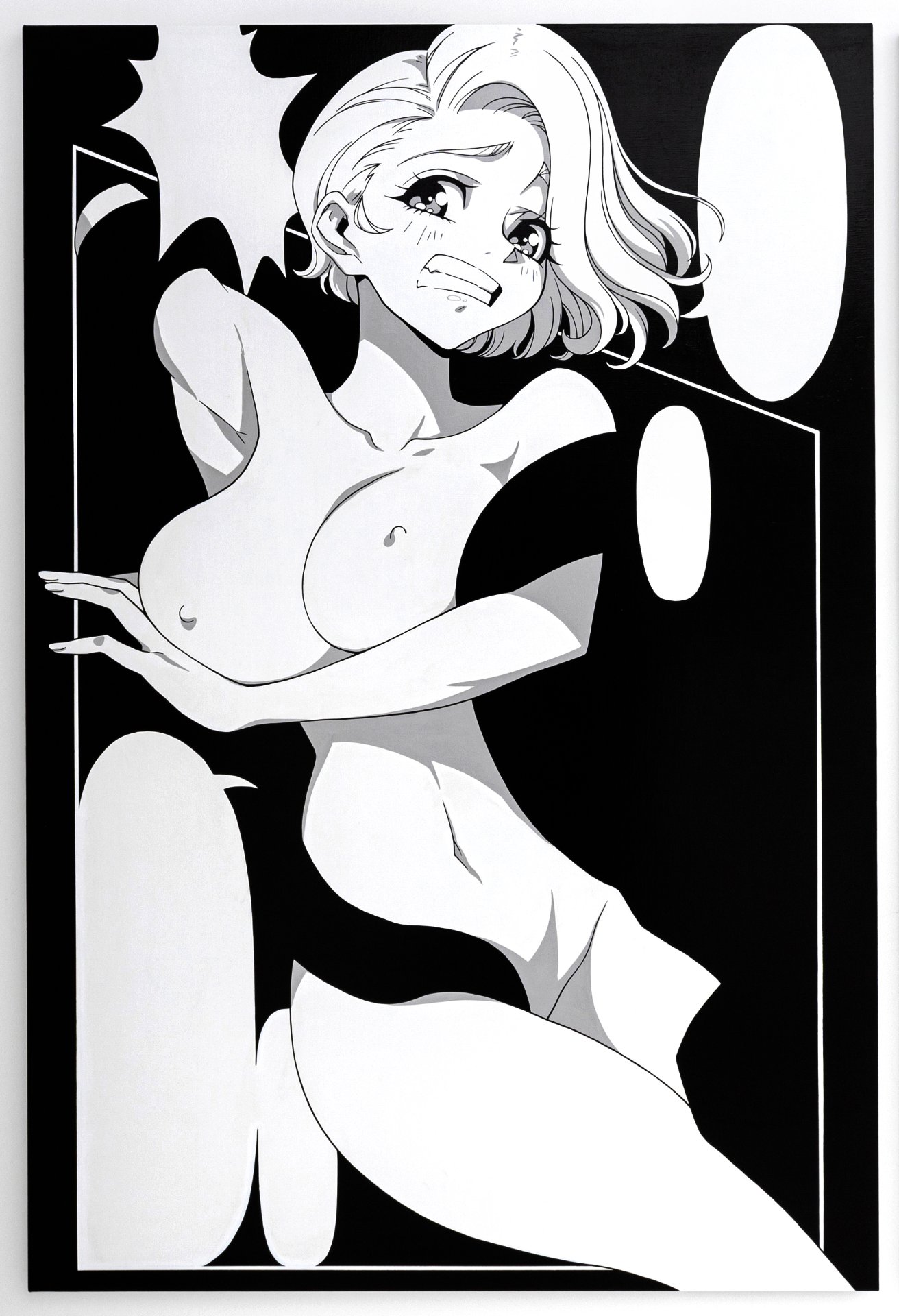
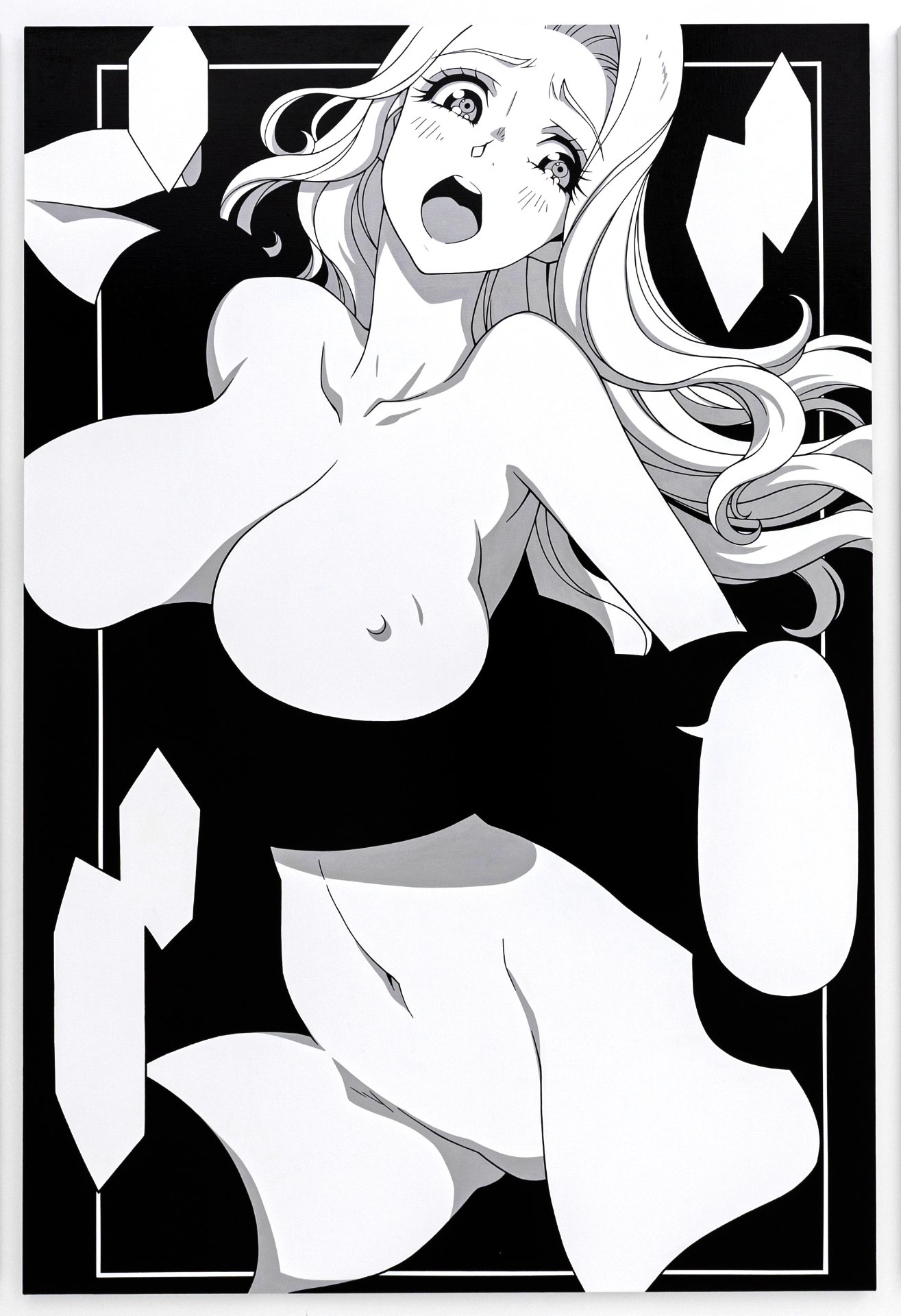
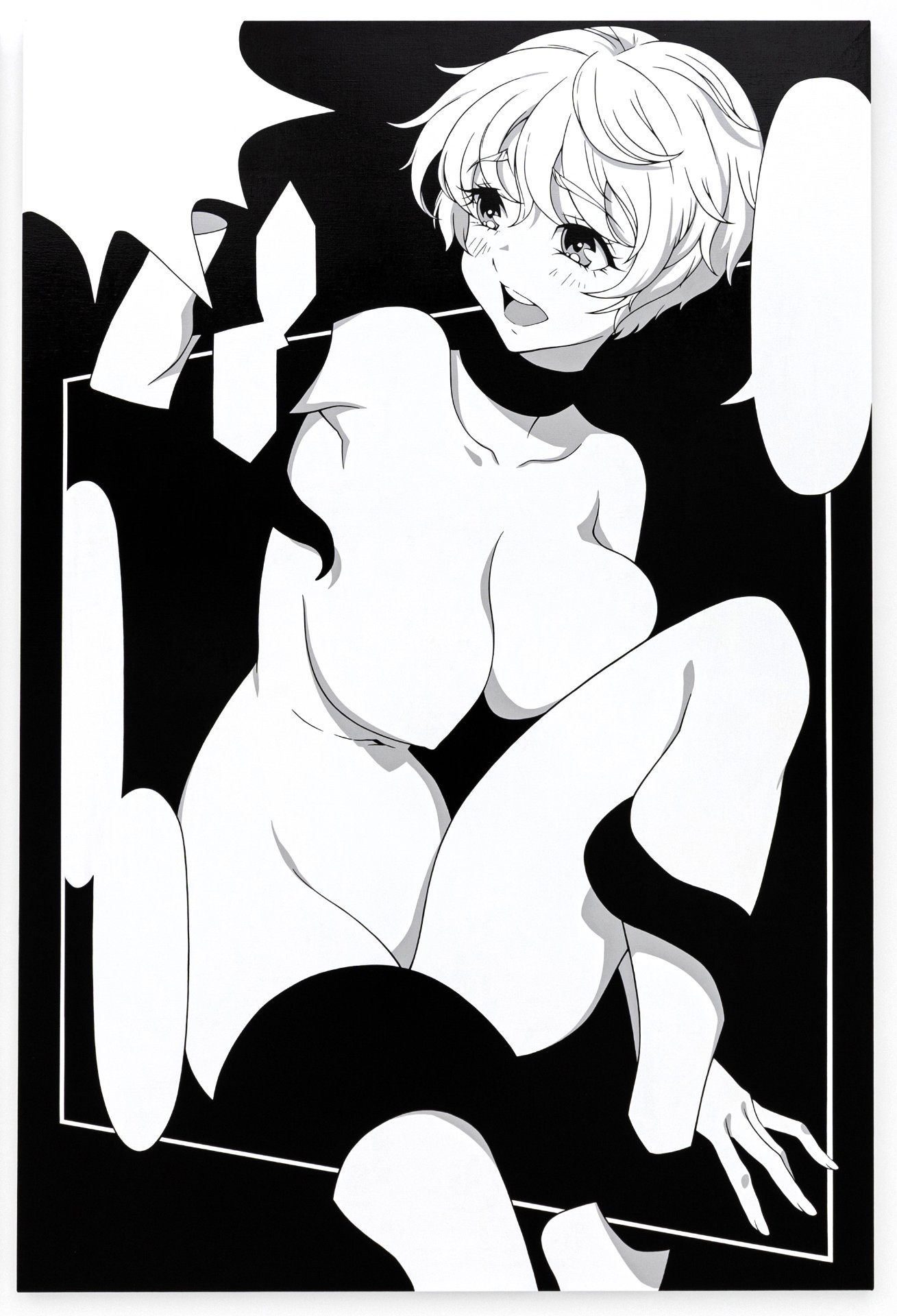
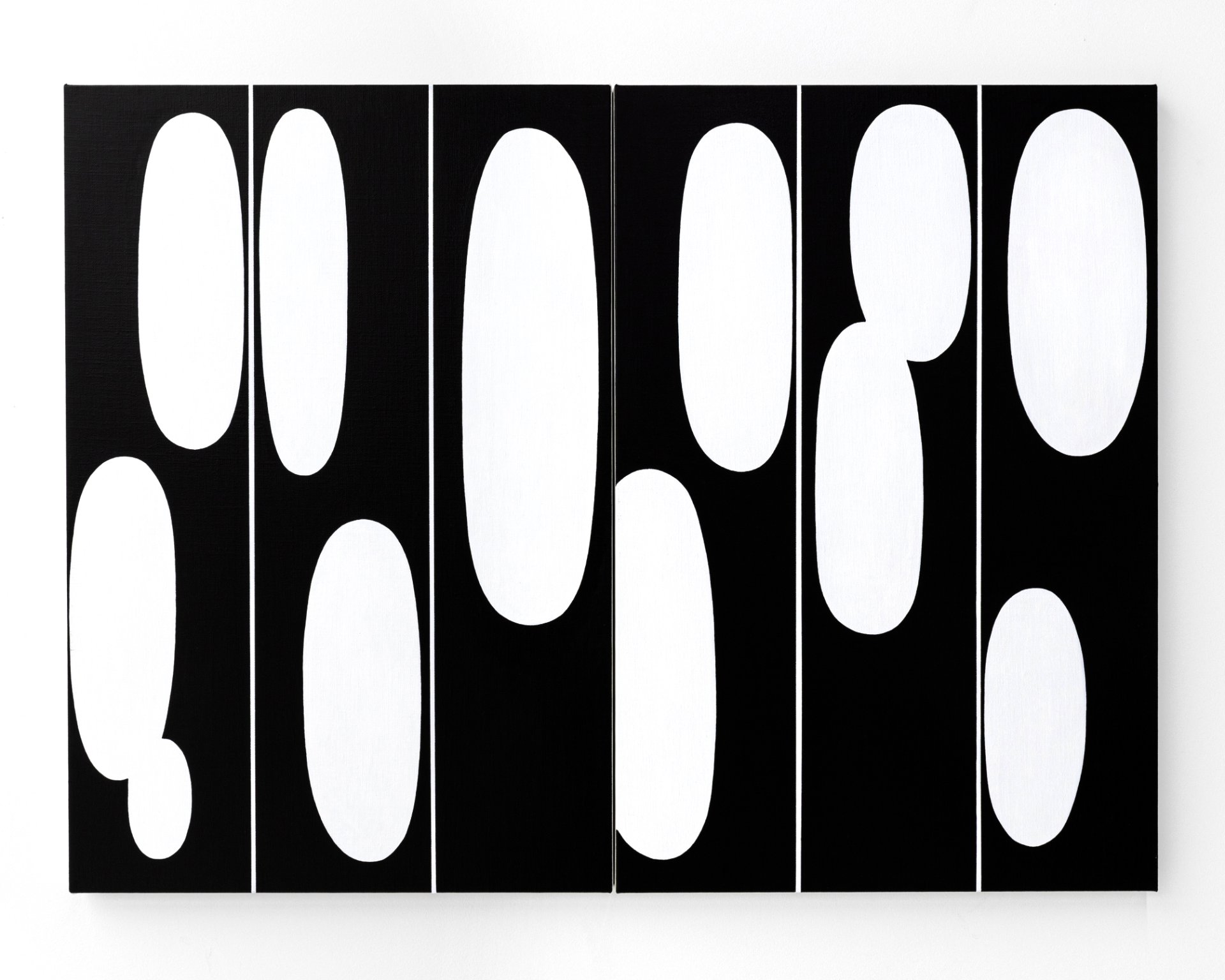
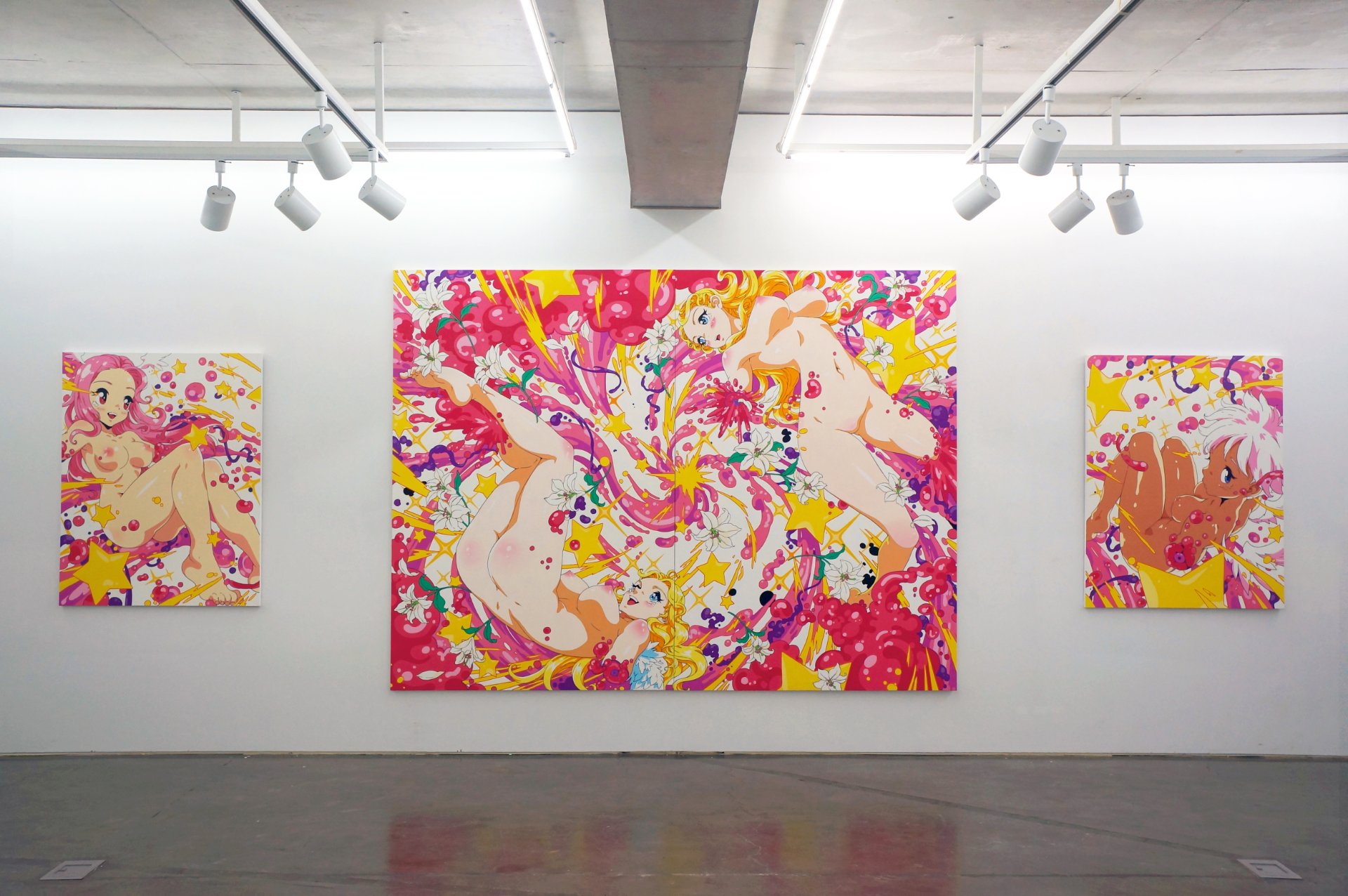
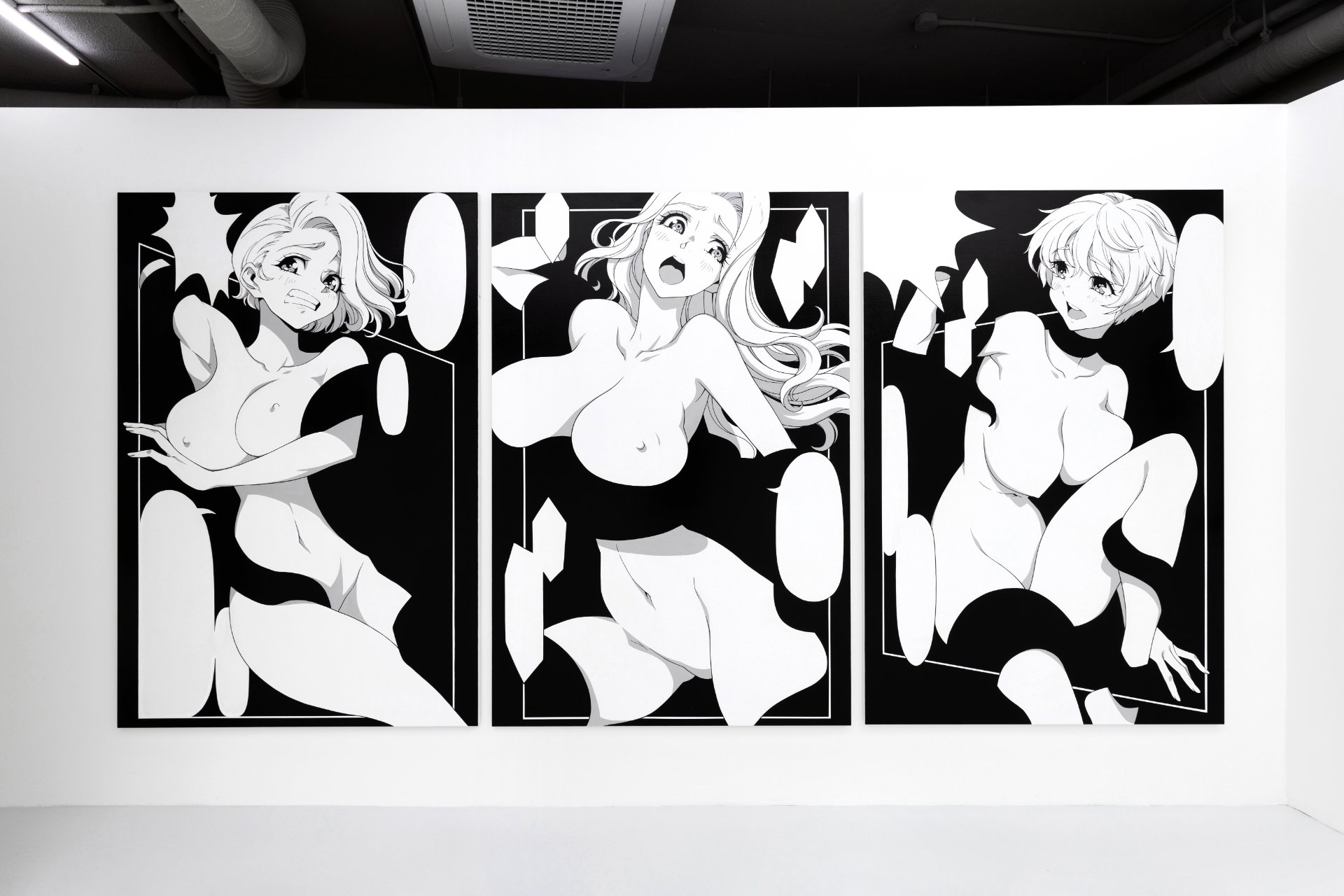
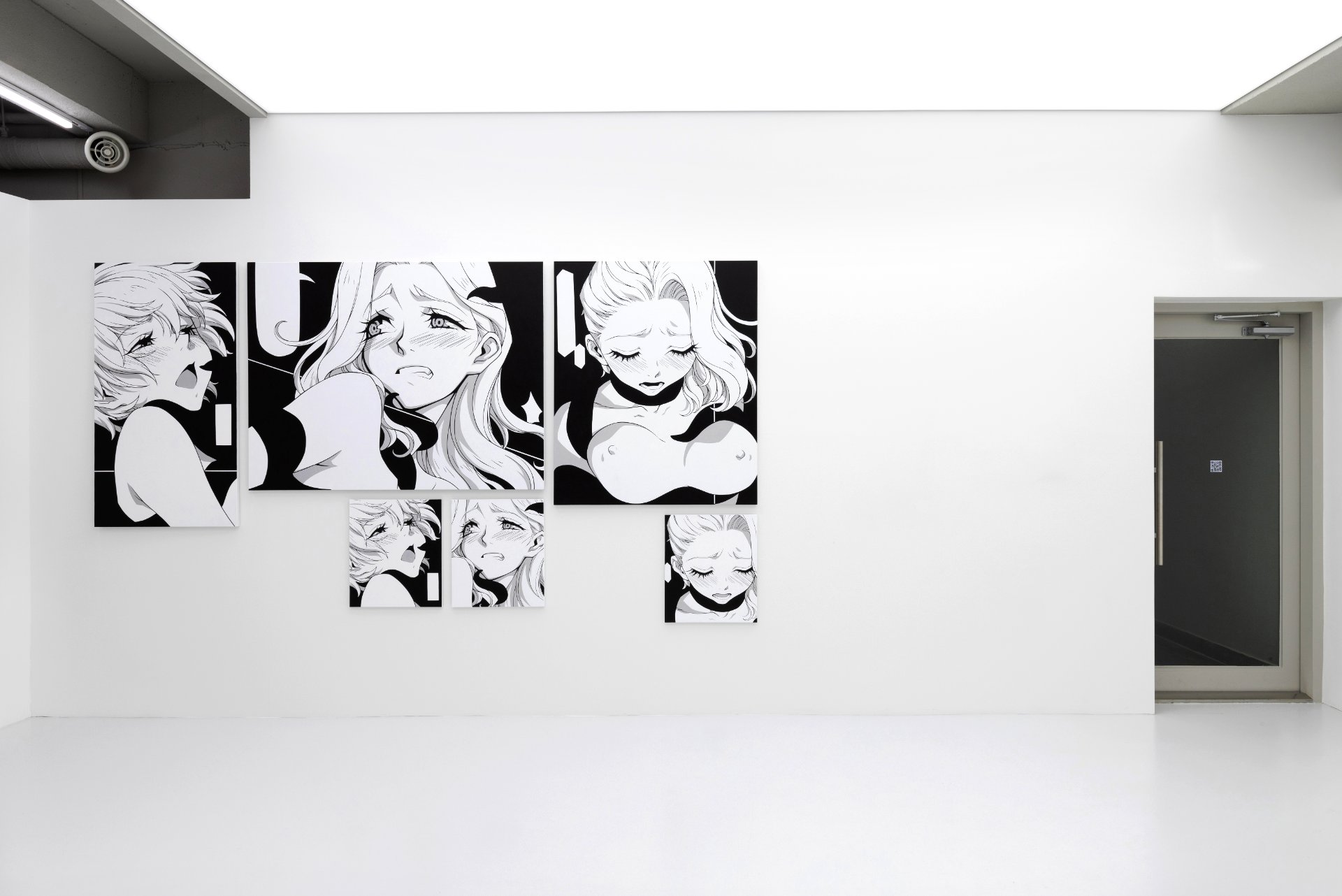
〈Laocoon〉 연작은 고전 조각이 지닌 극적인 서사를 오늘의 의미로 명확히 재해석하거나, 하나의 메시지로 정리하는 데 목적을 두지 않는다. 오히려 이미 완결된 것으로 인식되어온 고전의 도상을 다시 느슨하게 풀어내며, 의미가 쉽게 고정되지 않는 상태로 화면 안에 머무르게 한다. 이러한 태도는 고전을 과거의 형식으로 재현하기보다, 이미지가 현재의 감각 속에서 다시 흔들리고 변주될 수 있는 여지를 열어두기 위한 시도다. 이 연작에서 고전의 서사는 ‘은폐’라는 전략을 통해 동시대적 긴장 상태로 전이된다. 라오콘 군상이 품고 있는 고통의 서사는 화면 안에서 점차 가시성을 잃고, 대신 보이지 않는 압박과 심리적 불안을 증폭시키는 구조로 재배치된다. 색채를 배제한 흑백의 화면은 감정을 환기하는 장식적 요소를 제거한 채, 무기질적인 엄숙함 속에서 신체와 공간을 냉정하게 드러낸다. 화면 속에서 인물을 옥죄는 바다뱀의 형상은 명확한 형체를 드러내지 않은 채 어둠 속에 잠복하며, 이는 구체적인 대상이 아닌 실체 없는 공포를 감각적 이미지로 환원하기 위한 장치로 작동한다. 아니메와 만화의 시각 언어는 이 작업에서 스타일이나 인용의 차원을 넘어, 감각이 조직되는 방식을 회화 안으로 끌어들이는 구조로 기능한다. 반복적으로 등장하는 빈 말풍선들은 소리 없는 아우성을 시각화하며, 언어와 청각이 제거된 진공 상태의 고통을 드러낸다. 이는 관객으로 하여금 결핍된 정보를 스스로 상상하고 재구성하도록 유도한다. 만화적 프레임은 장면을 분절하는 동시에 인물을 물리적으로 구속하는 구조로 작동하고, 그 안에서 신체는 토르소처럼 파편화된 상태로 고립되어 존재한다. 이를 통해 화면은 명확한 의미를 설명하기보다, 의미가 형성되기 직전의 긴장과 밀도를 유지한다. 이렇게 은폐된 고통의 표면 아래에서는 양가적인 감각이 동시에 발생한다. 뒤틀린 신체와 절단된 형상은 비극적 고통의 외양을 띠면서도, 동시에 관능적 긴장과 시각적 탐닉의 가능성을 내포한다. 고전 비극의 서사가 아니메의 시각 문법과 결합하는 순간, 라오콘의 아우성은 고통과 환희, 억압과 쾌락 사이의 불안정한 경계에 놓이게 된다. 나는 고전을 현재로 번역해 완결된 해석을 제시하기보다, 내가 체화해온 이미지들이 회화 안에서 충돌하며 끝내 하나의 의미로 봉합되지 않는 상태를 남기고자 한다. 이 연작에서 중요한 것은 결론이 아니라, 이미지가 열린 상태로 지속되며 새로운 감각과 해석을 계속해서 발생시키는 조건이다. 이러한 태도는 회화를 닫힌 결과물이 아닌, 동시대의 시각 언어와 끊임없이 교차하며 생성되는 장으로 바라보려는 시도이며, 익숙하다고 여겨졌던 고전적 도상이 현재의 감각 속에서 어떻게 다시 낯설어질 수 있는지를 탐색하는 과정이기도 하다.
The Laocoon series does not seek to clearly reinterpret the dramatic narrative of the classical sculpture in contemporary terms, nor to condense it into a singular message. Instead, it loosens an image long regarded as complete and resolved, allowing it to remain within the pictorial space in a state where meaning resists easy fixation. This approach does not attempt to reproduce the classical as a historical form, but rather to reopen it as an image capable of shifting and transforming within the sensibilities of the present. In this series, the narrative of the classical work is transferred into a contemporary tension through a strategy of concealment. The suffering embodied in the Laocoön group gradually loses visibility within the image. In its place emerges a structure that amplifies invisible pressure and psychological unease. The black-and-white surface, stripped of decorative color, removes expressive embellishment and exposes bodies and space with an austere, almost inorganic severity. The sea serpents that constrict the figures do not fully reveal their forms. Lurking within darkness, they function less as concrete creatures than as devices that translate an intangible fear into sensory imagery. In this context, the visual language of anime and manga operates not merely as a stylistic reference but as a structural method that introduces a different organization of perception into painting. The recurring empty speech bubbles visualize a silent outcry, revealing a state of suffering suspended in a vacuum where language and sound have been removed. They invite the viewer to imagine and reconstruct the missing information. Manga-like frames simultaneously divide the scene and act as physical structures that confine the figures. Within these frames, the body appears fragmented and isolated, existing almost like a torso detached from narrative continuity. Rather than explaining a clear meaning, the pictorial space sustains the density and tension that precede meaning itself. Beneath this concealed surface of pain, an ambivalent sensation emerges. The twisted bodies and severed forms bear the appearance of tragic suffering while simultaneously suggesting the possibility of sensual tension and visual fascination. When the narrative of classical tragedy encounters the visual grammar of anime, Laocoön’s cry becomes suspended within an unstable boundary between pain and ecstasy, repression and pleasure. Rather than translating the classical into the present through a definitive interpretation, I seek to leave the images I have internalized in a state of unresolved collision within painting. What matters in this series is not a conclusion, but the condition in which images remain open—continuously generating new sensations and interpretations. In this sense, painting is approached not as a closed result but as a field of ongoing production, where contemporary visual languages intersect and recombine. The series ultimately explores how classical iconography—once thought familiar and resolved—can become strange again when encountered through the sensibilities of the present.
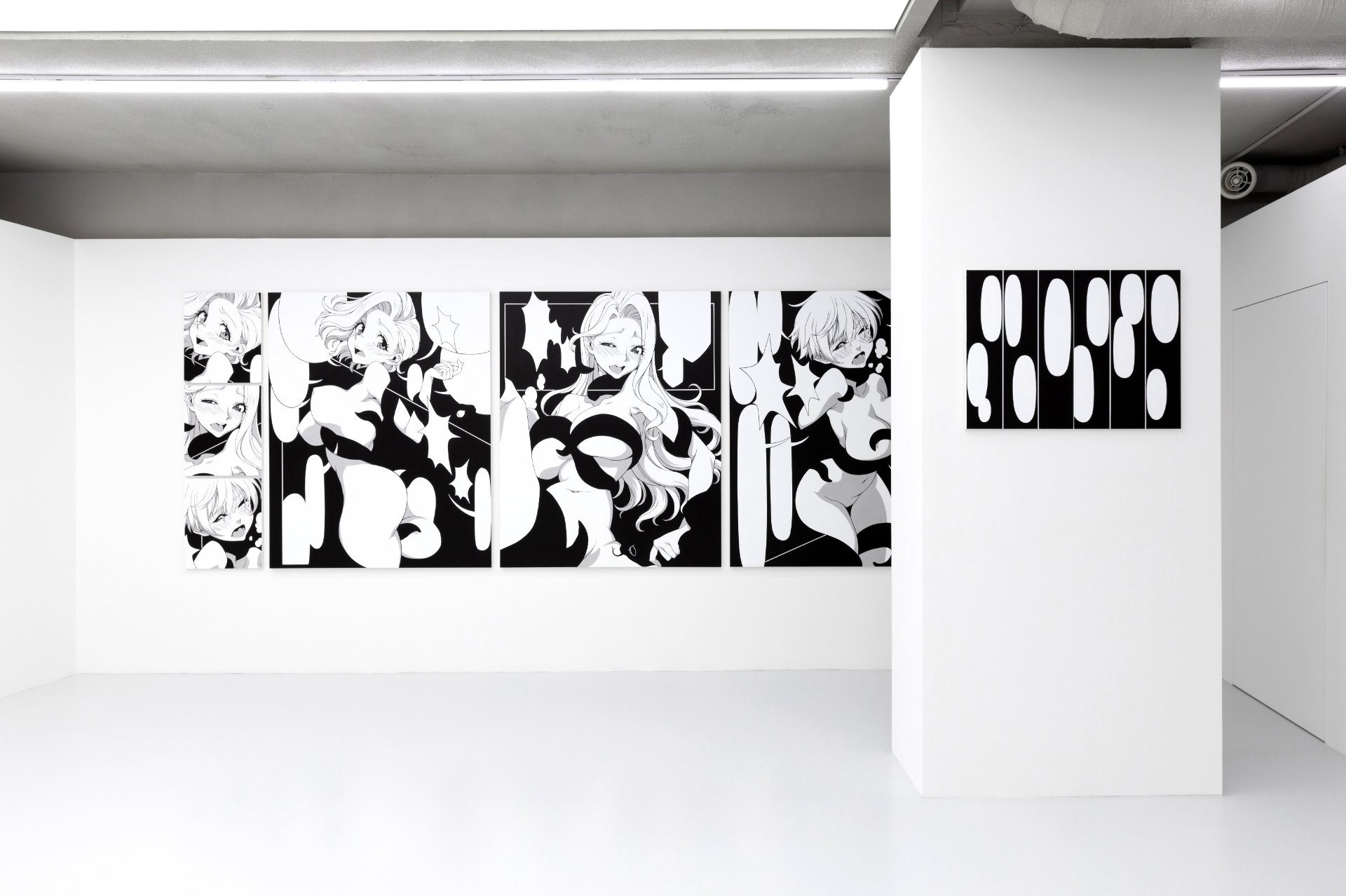
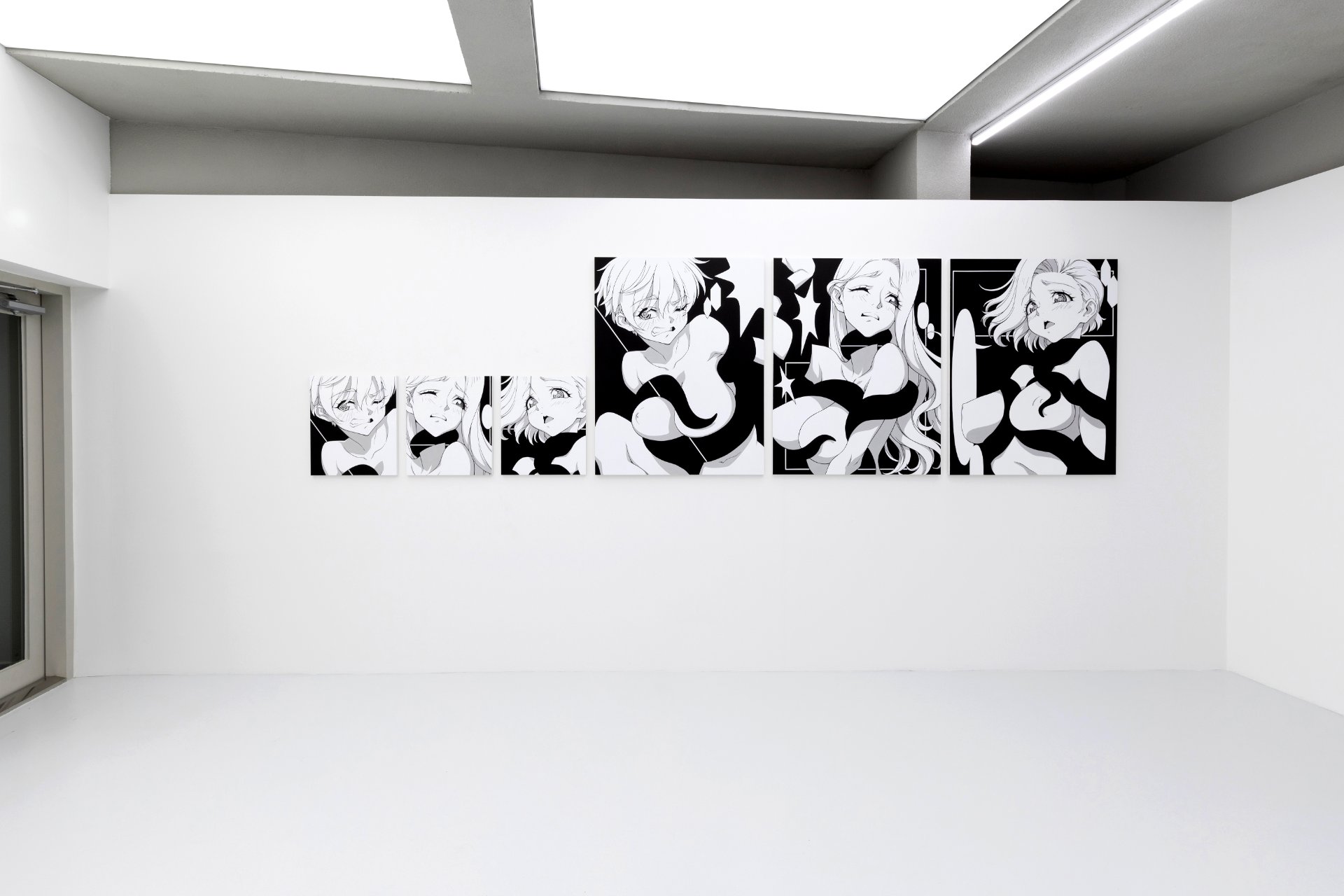
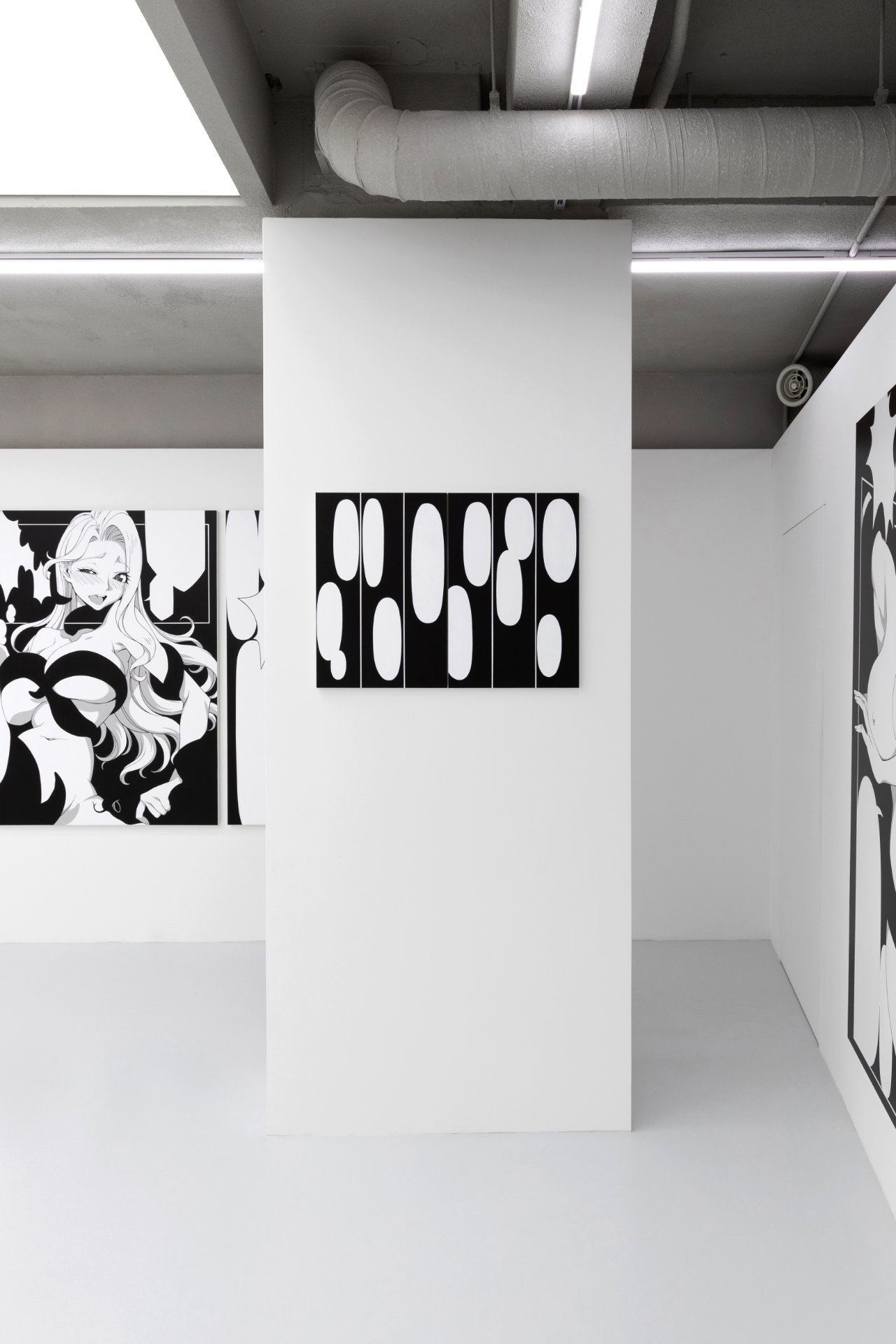
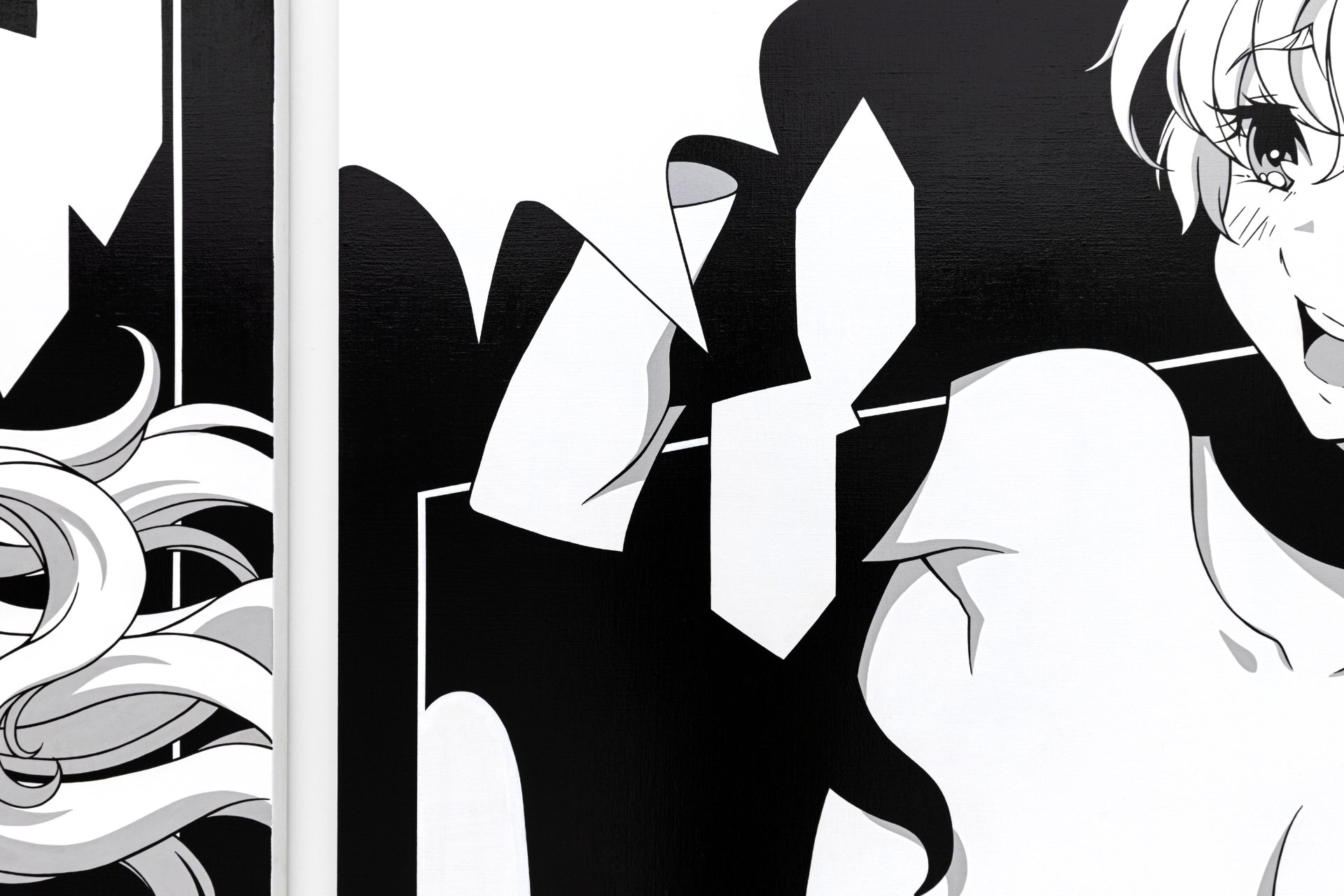
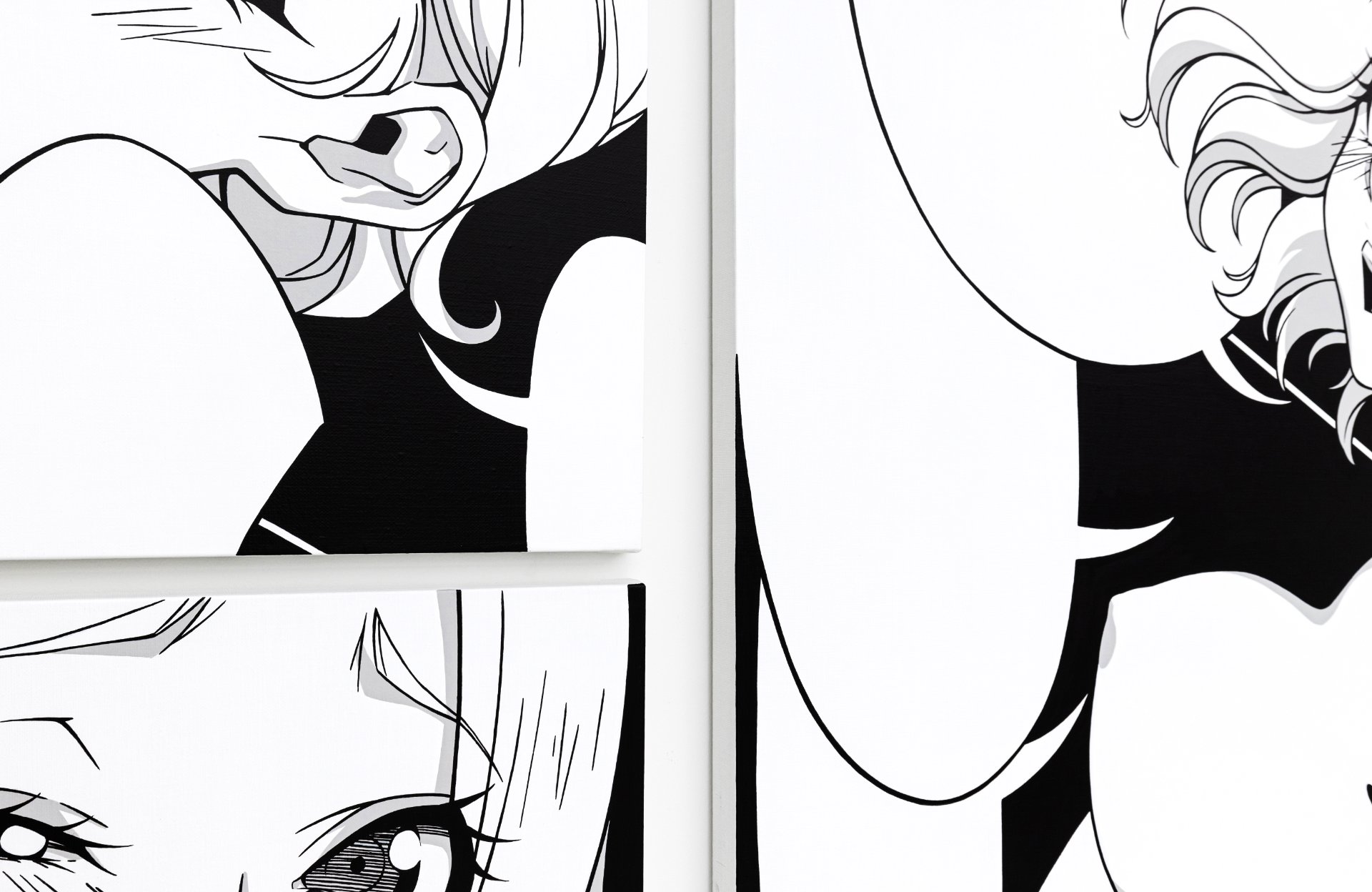
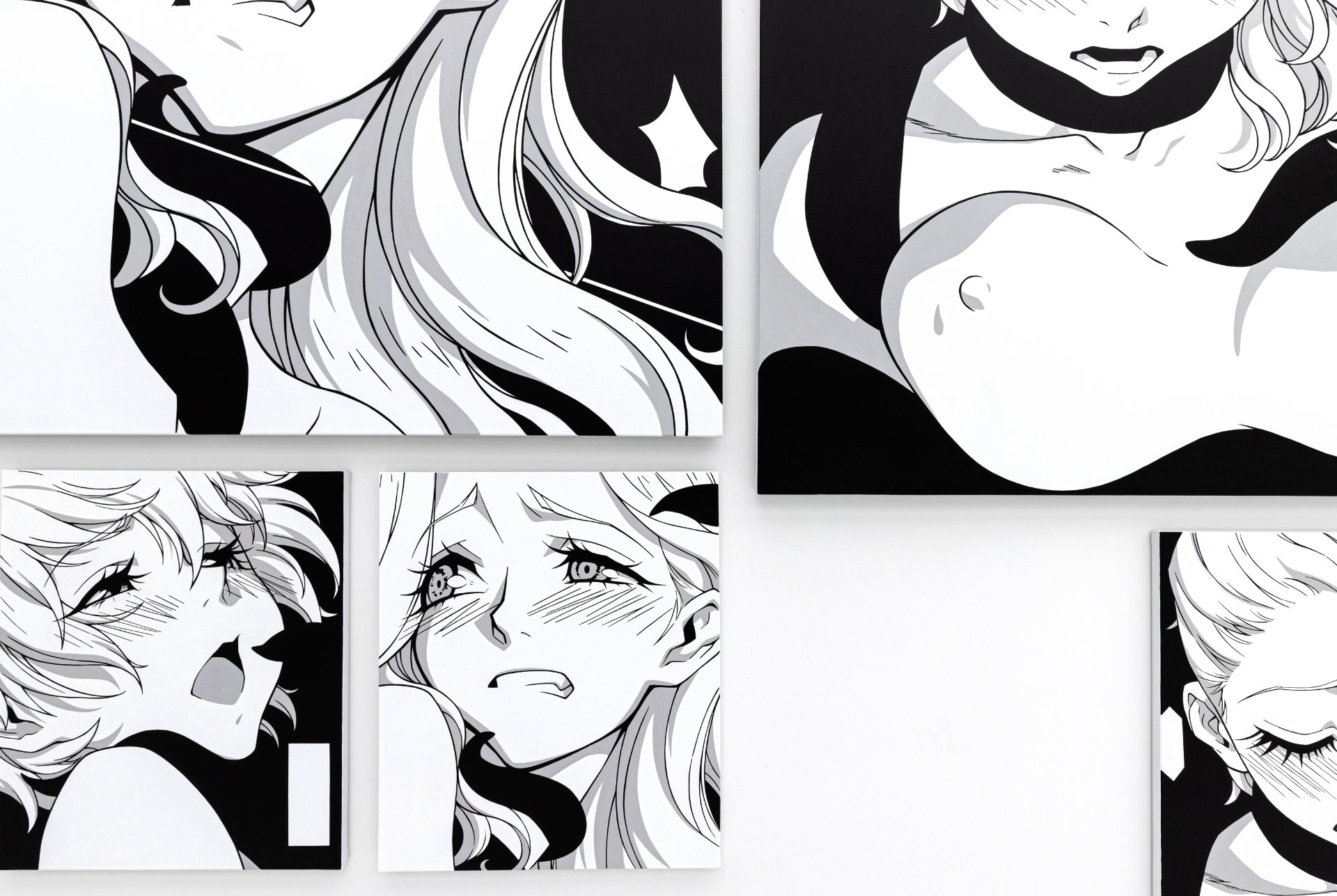
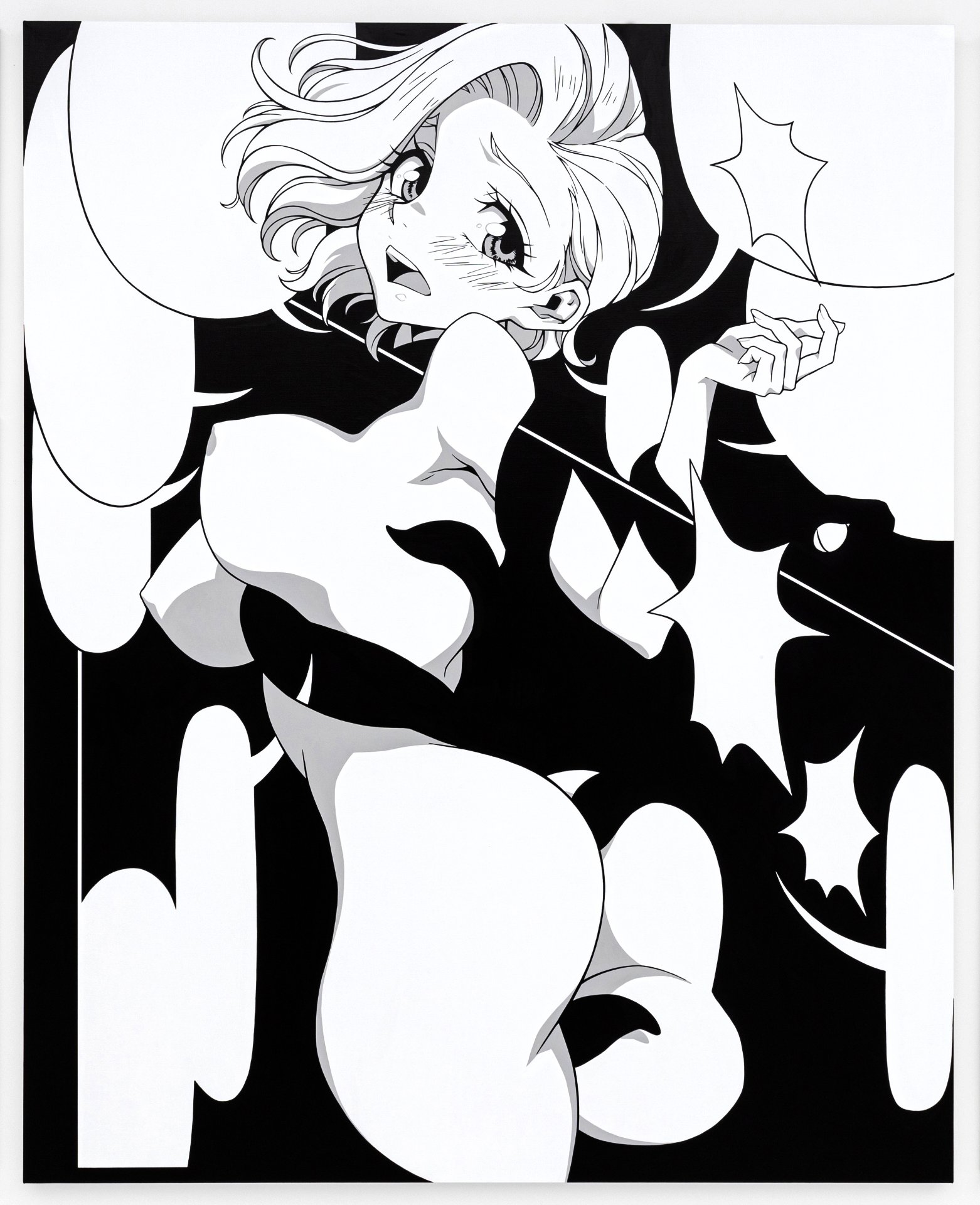
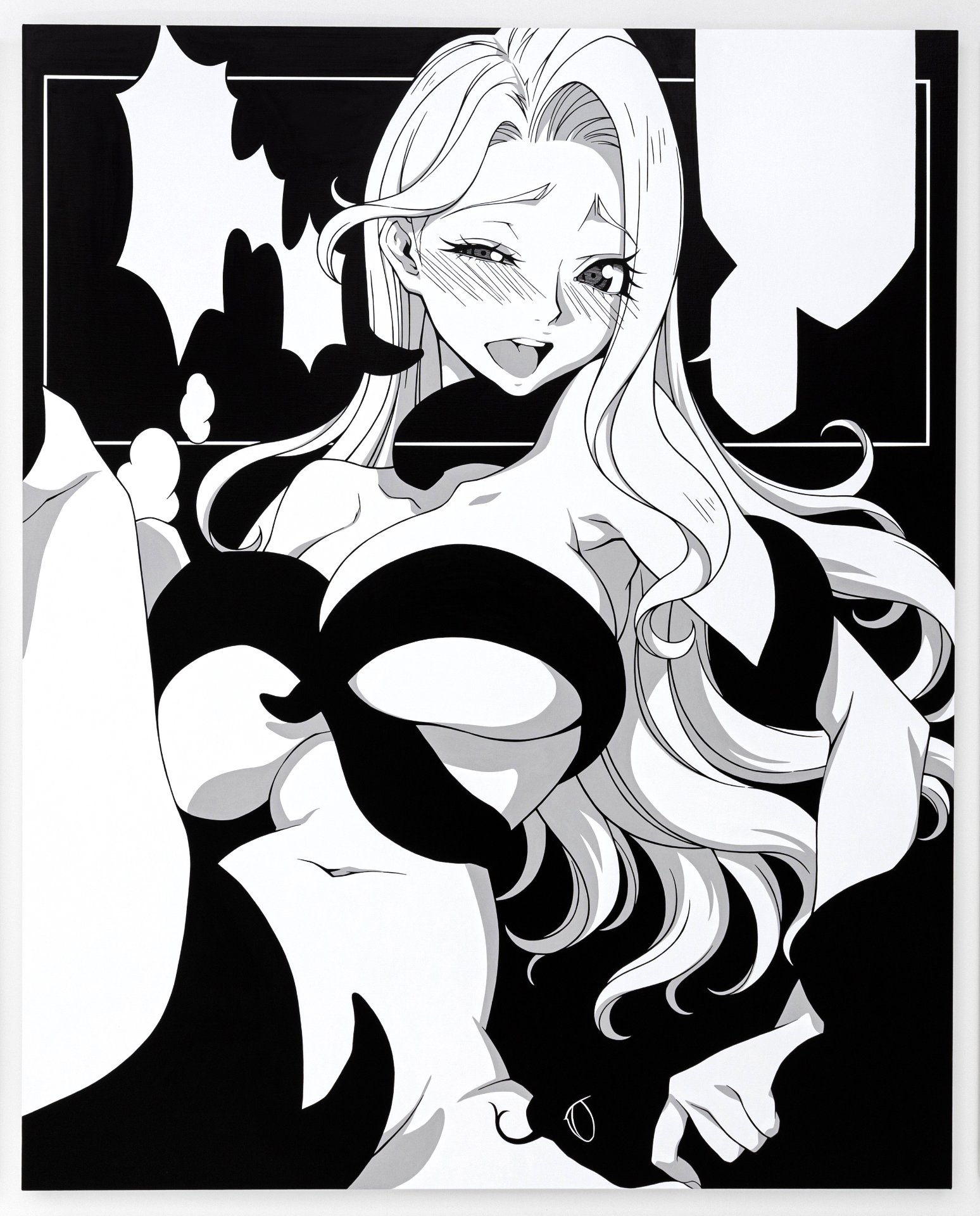
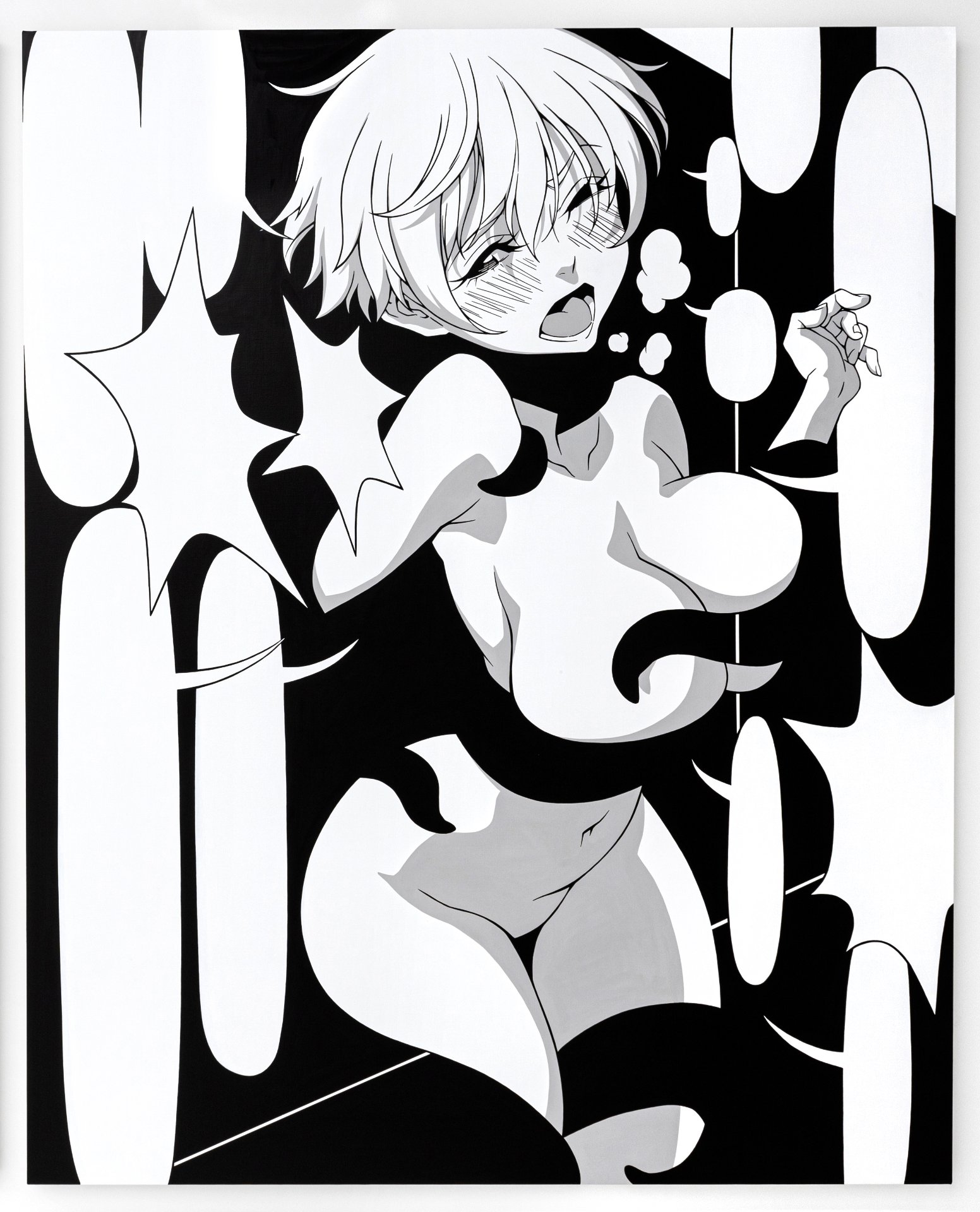
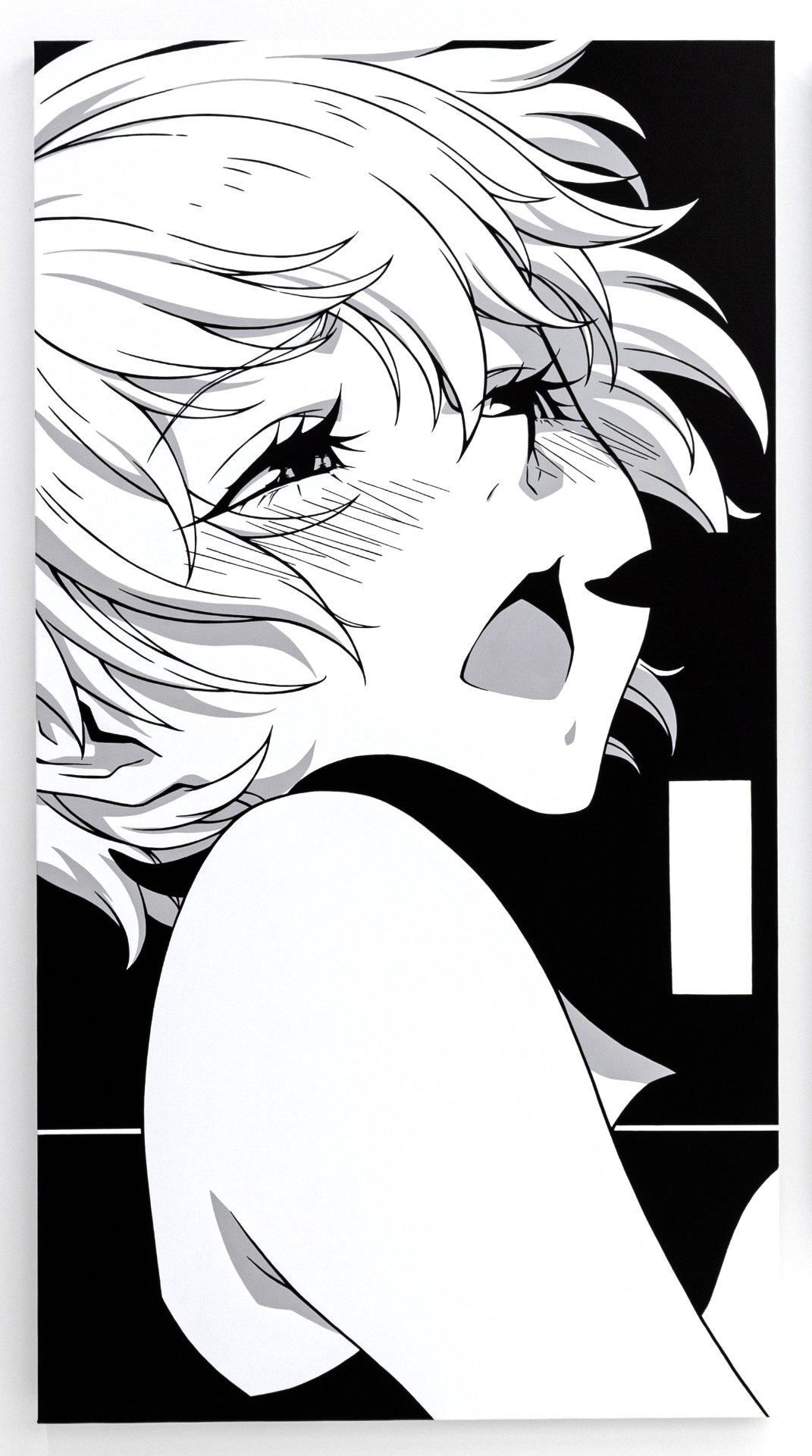
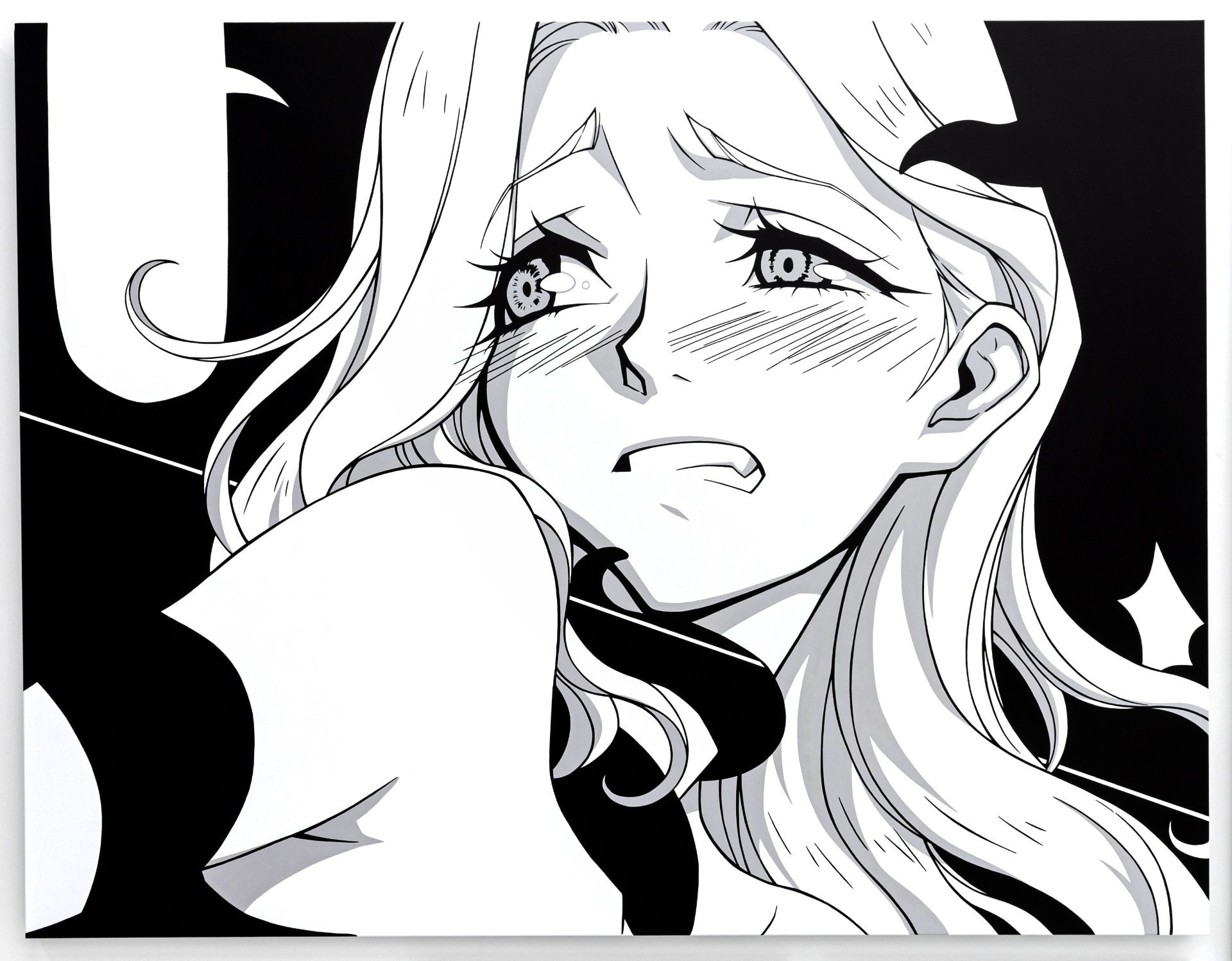
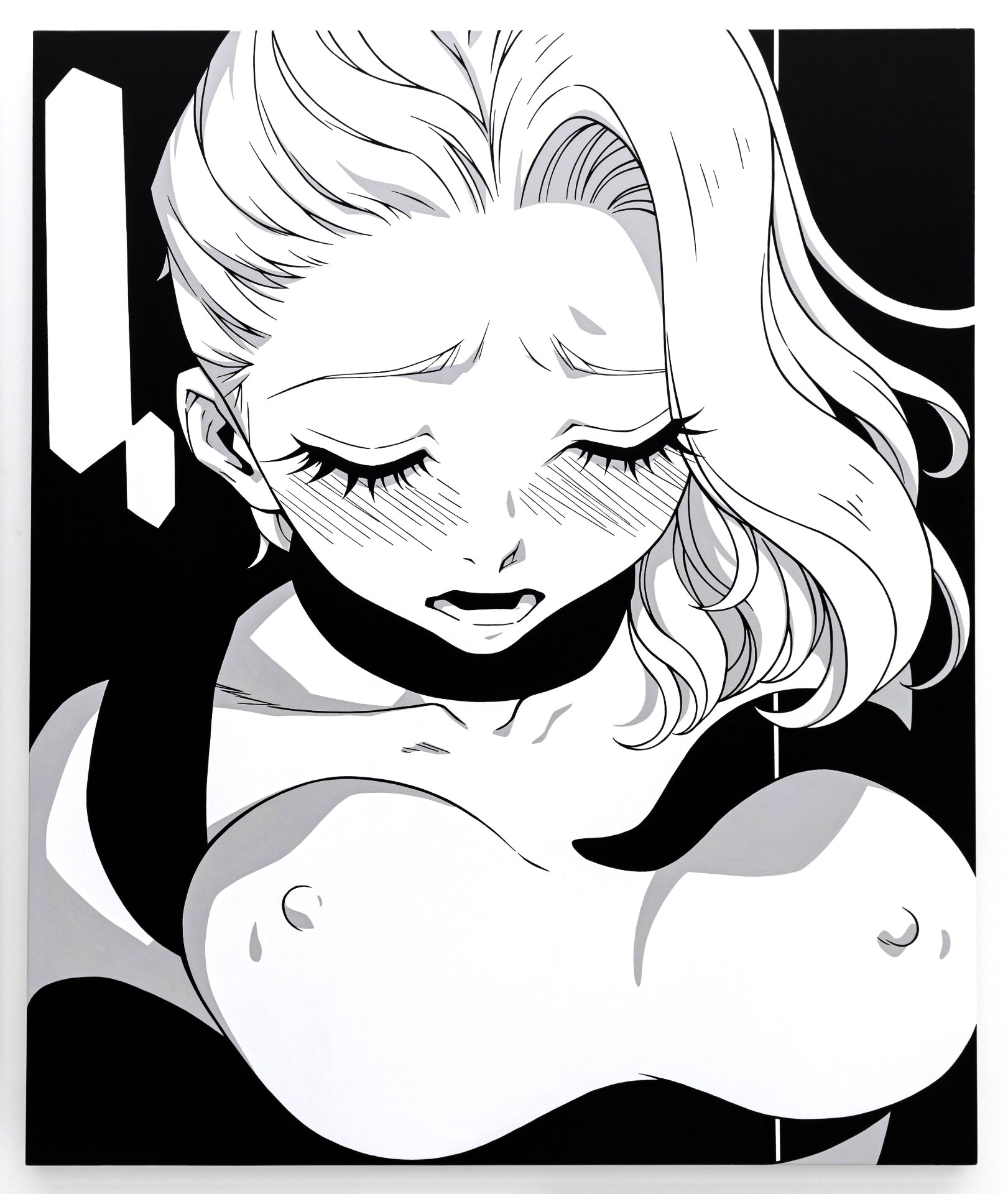
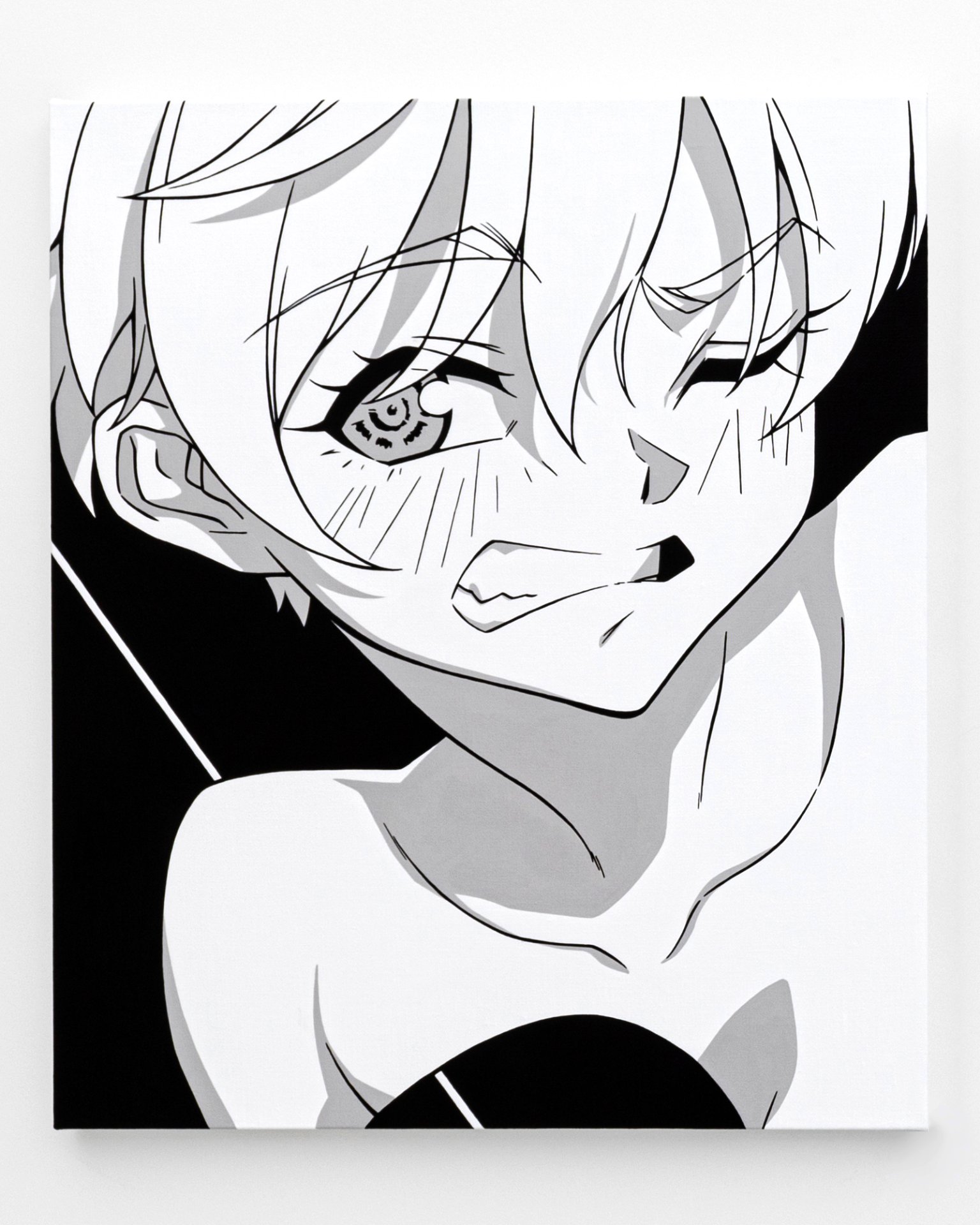
Laocoon, 2024, Acrylic on canvas, 53 x 45cm
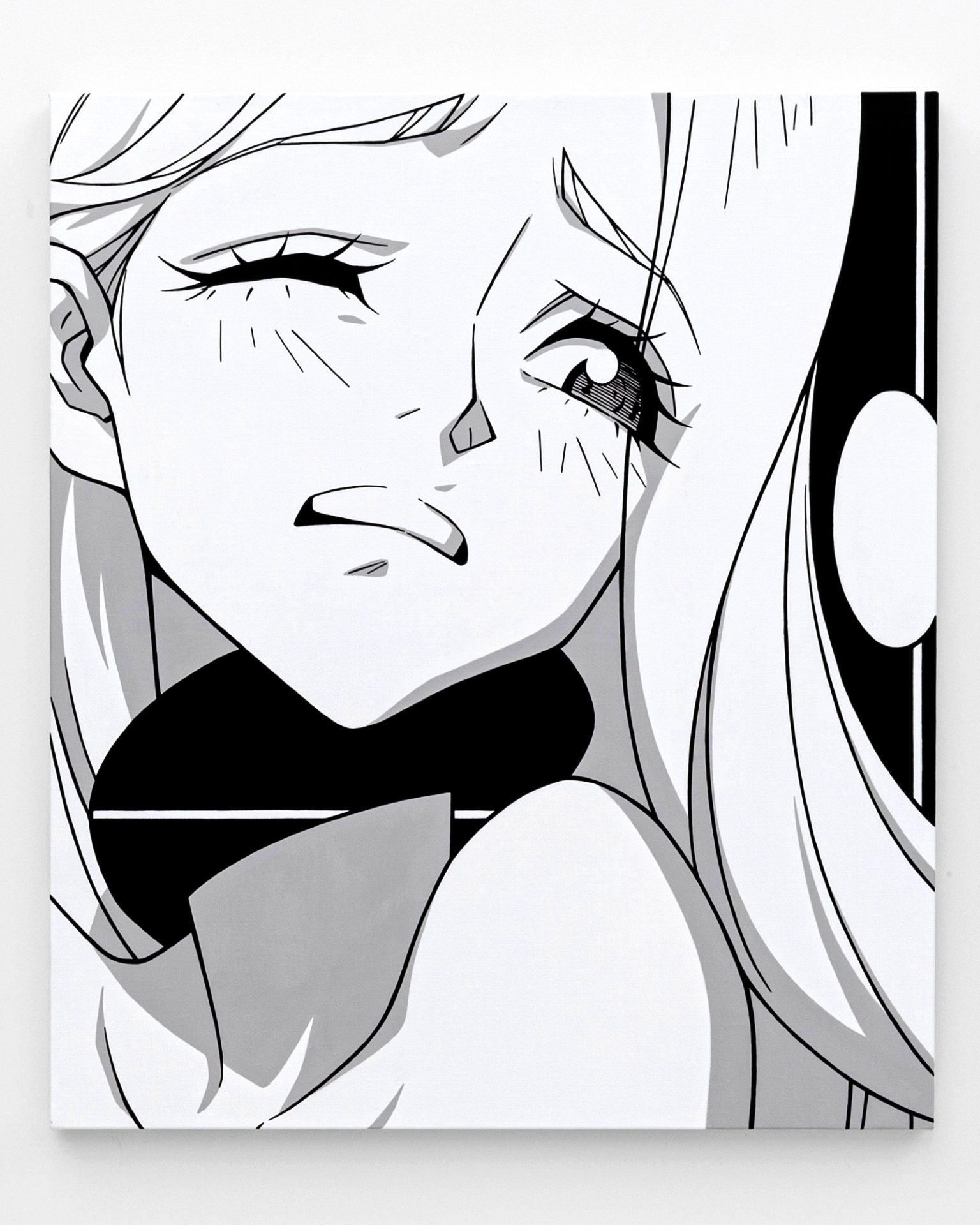
Laocoon, 2024, Acrylic on canvas, 53 x 45cm
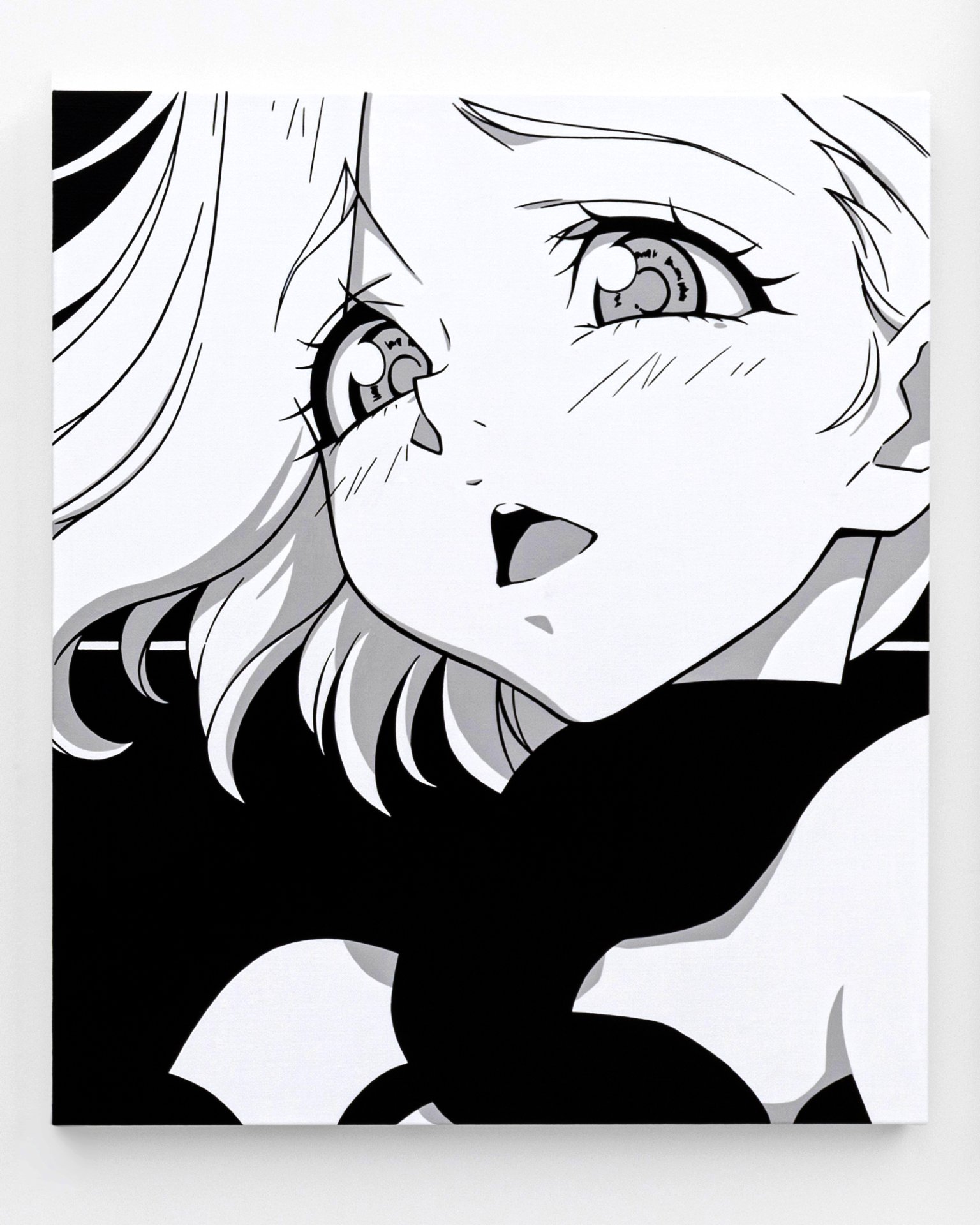
Laocoon, 2024, Acrylic on canvas, 53 x 45cm
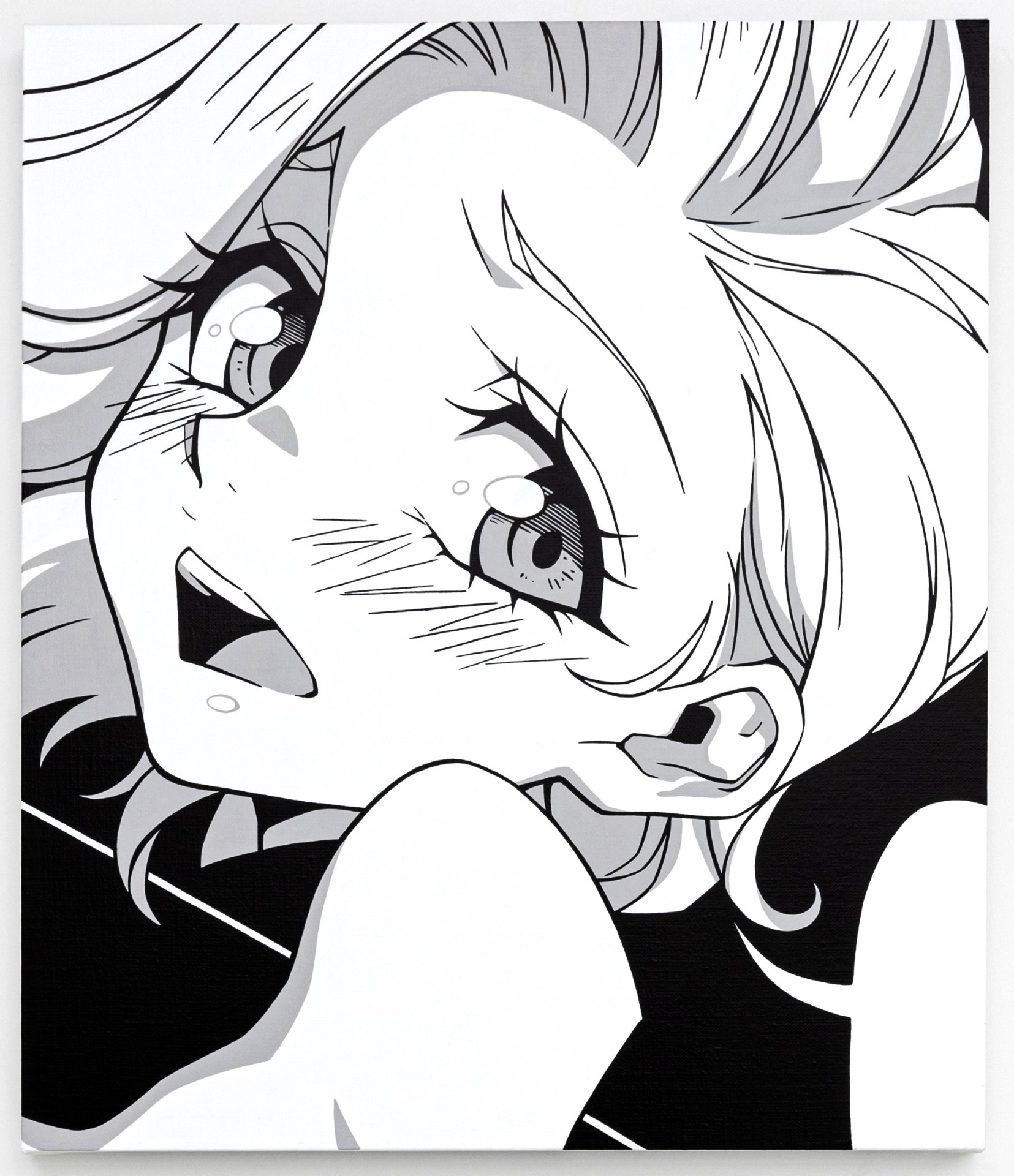
Laocoon, 2024, Acrylic on canvas, 53 x 45cm
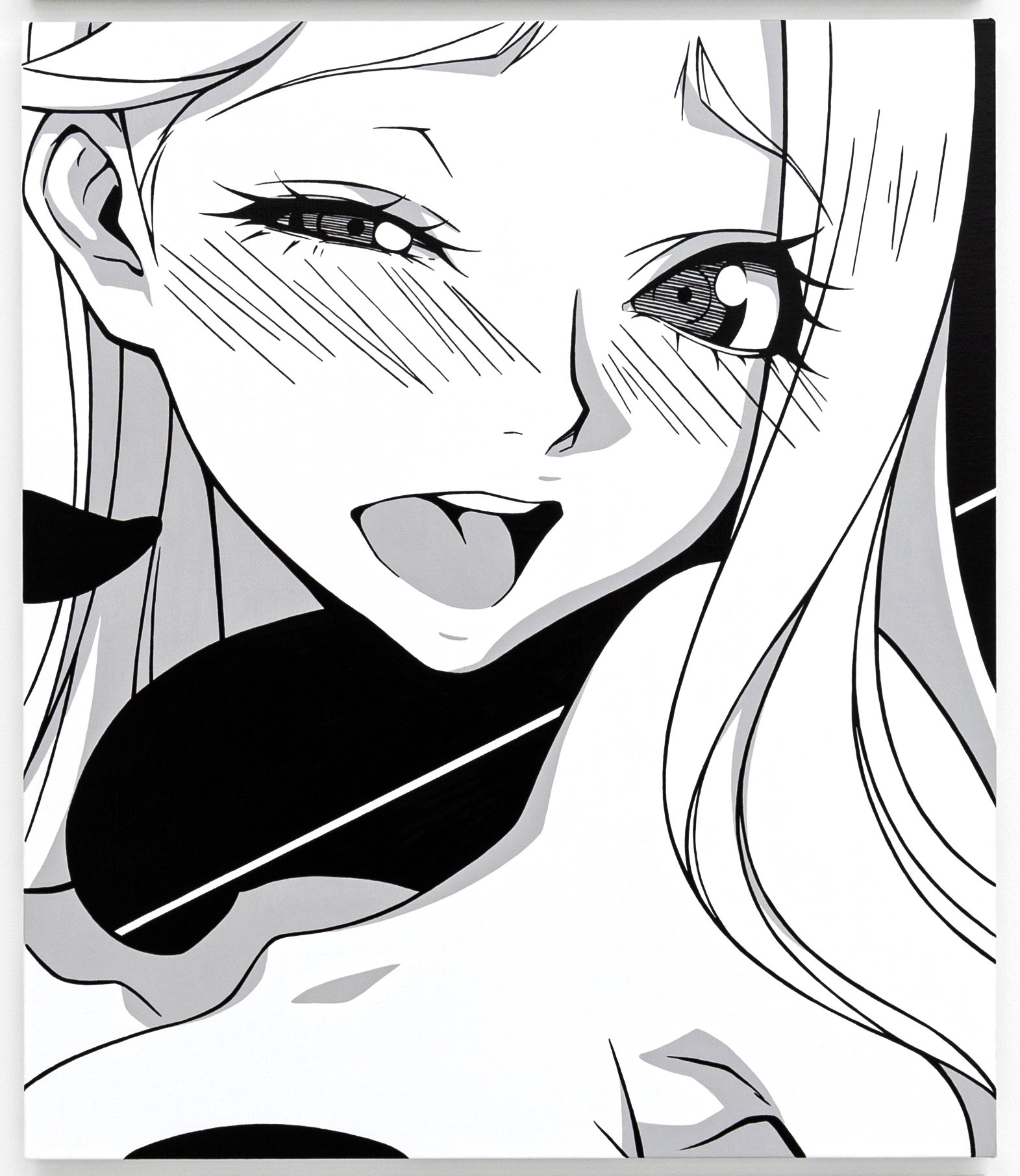
Laocoon, 2024, Acrylic on canvas, 53 x 45cm
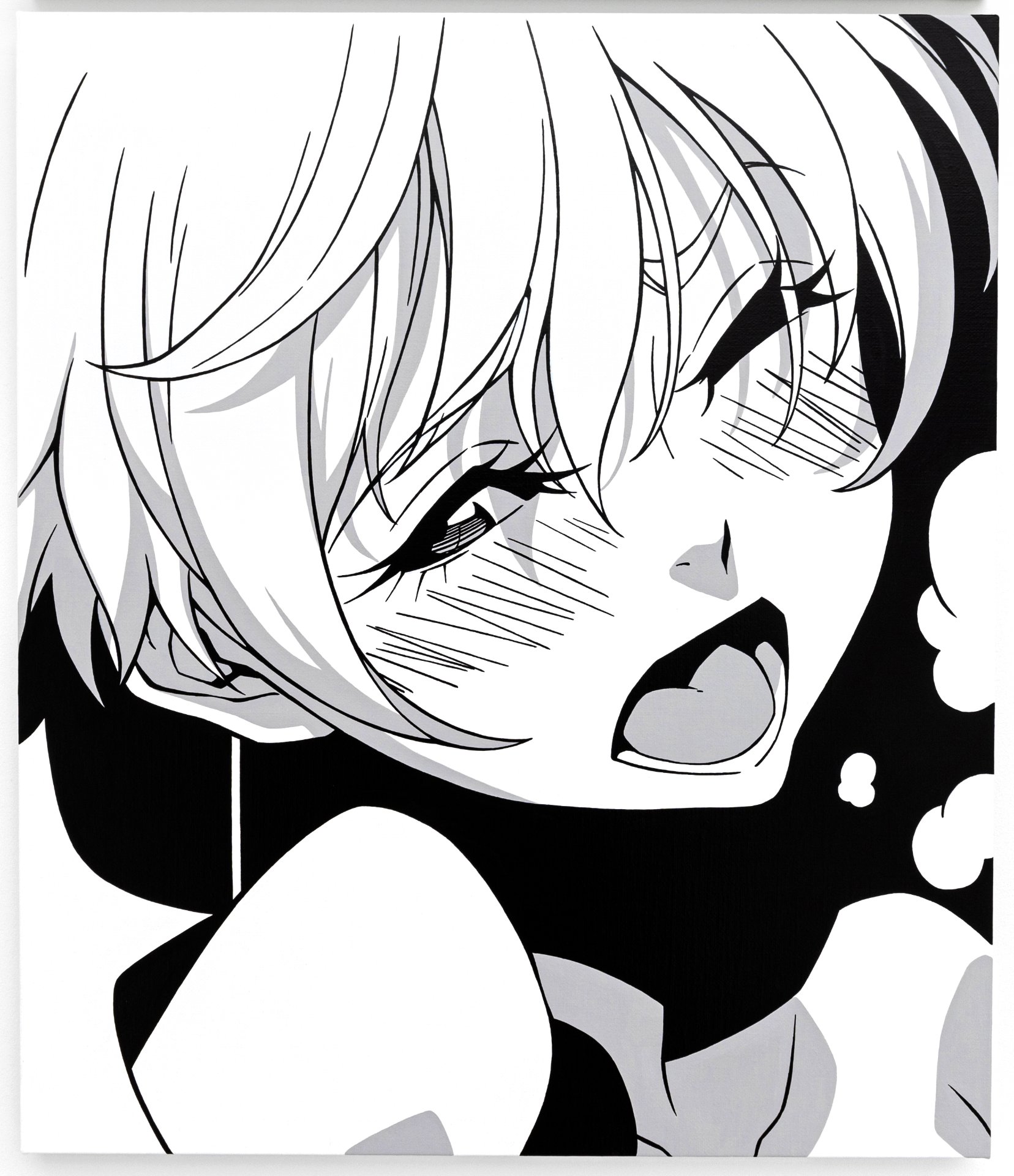
Laocoon, 2024, Acrylic on canvas, 53 x 45cm
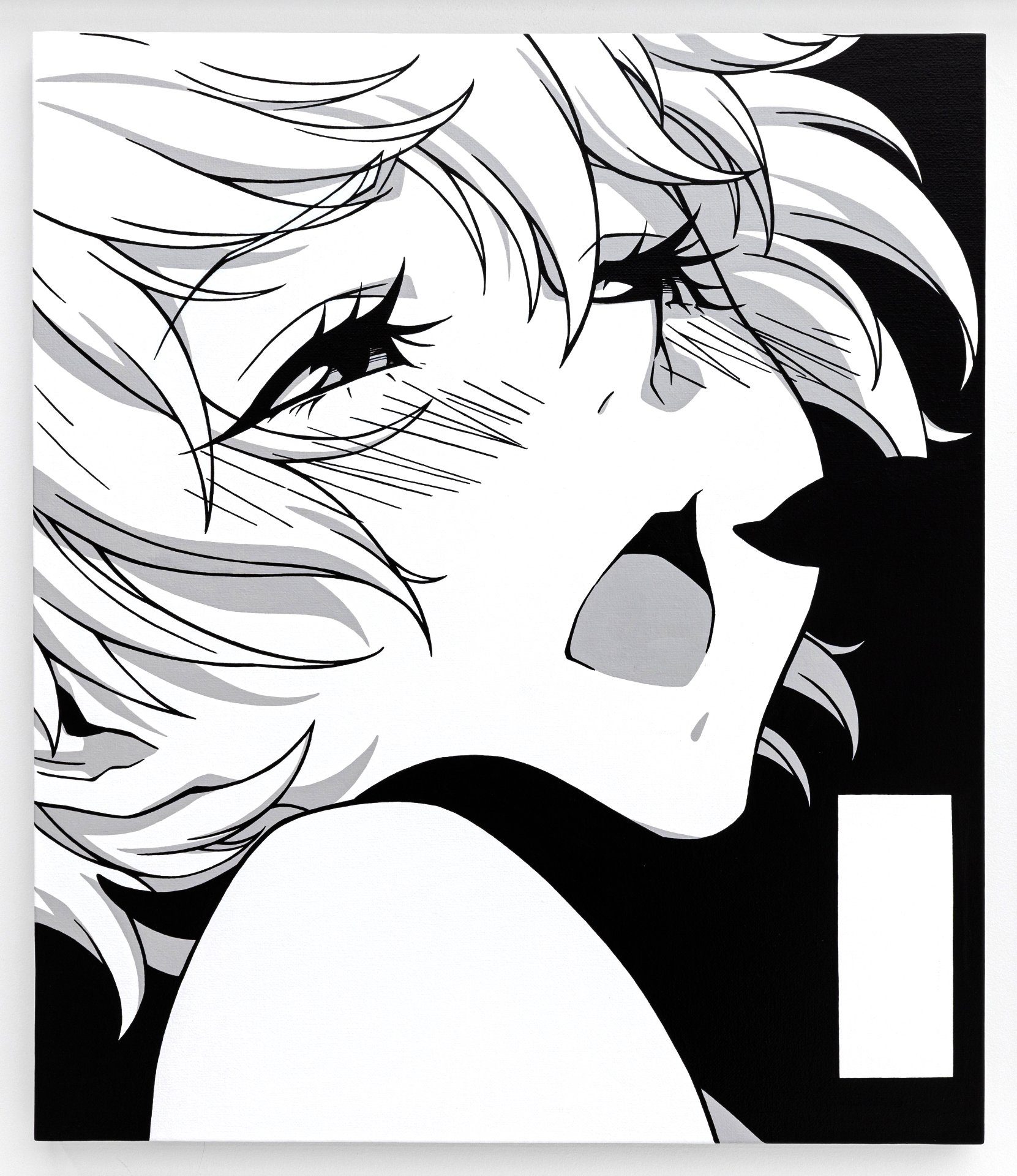
Laocoon, 2024, Acrylic on canvas, 53 x 45cm
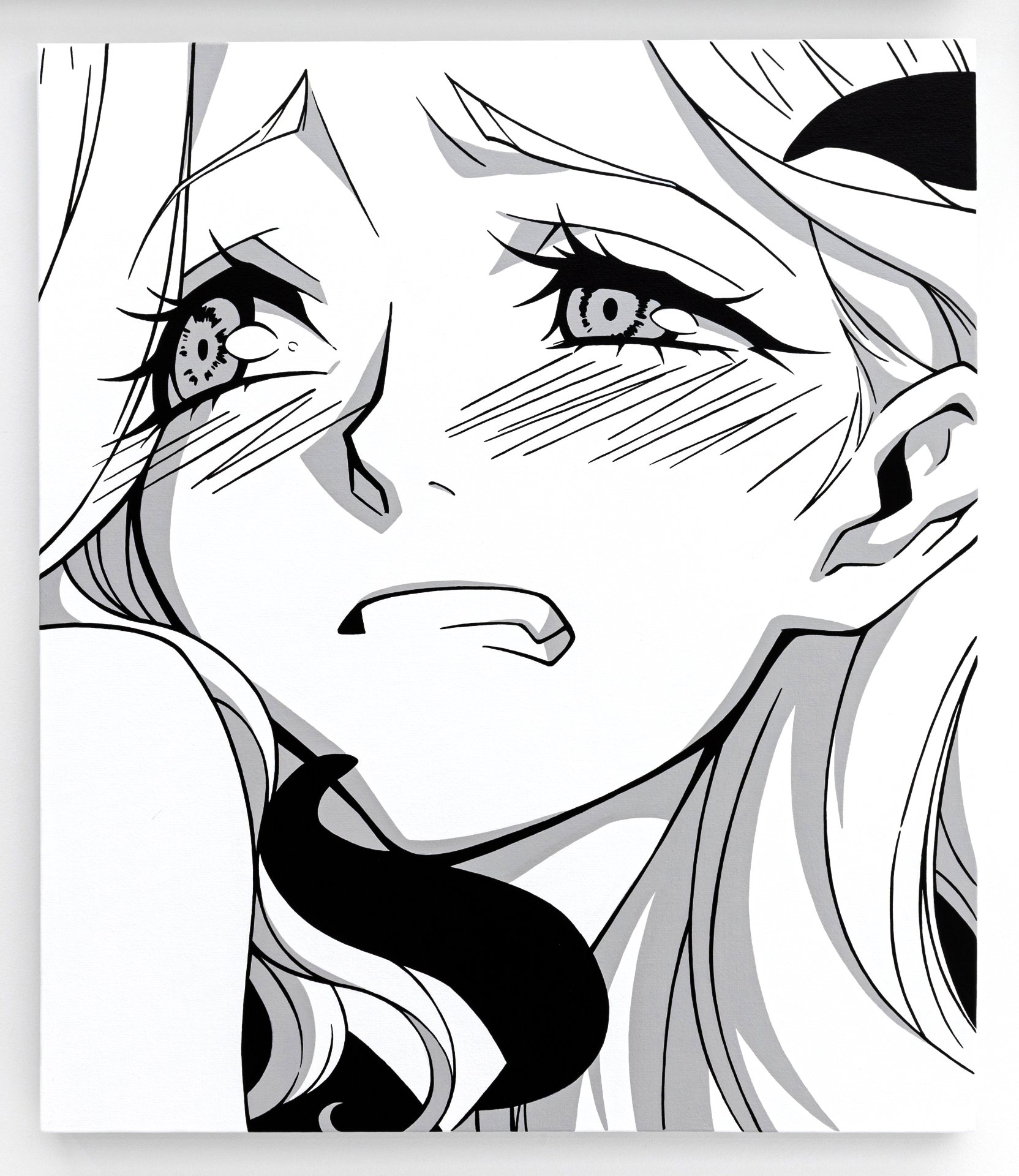
Laocoon, 2024, Acrylic on canvas, 53 x 45cm
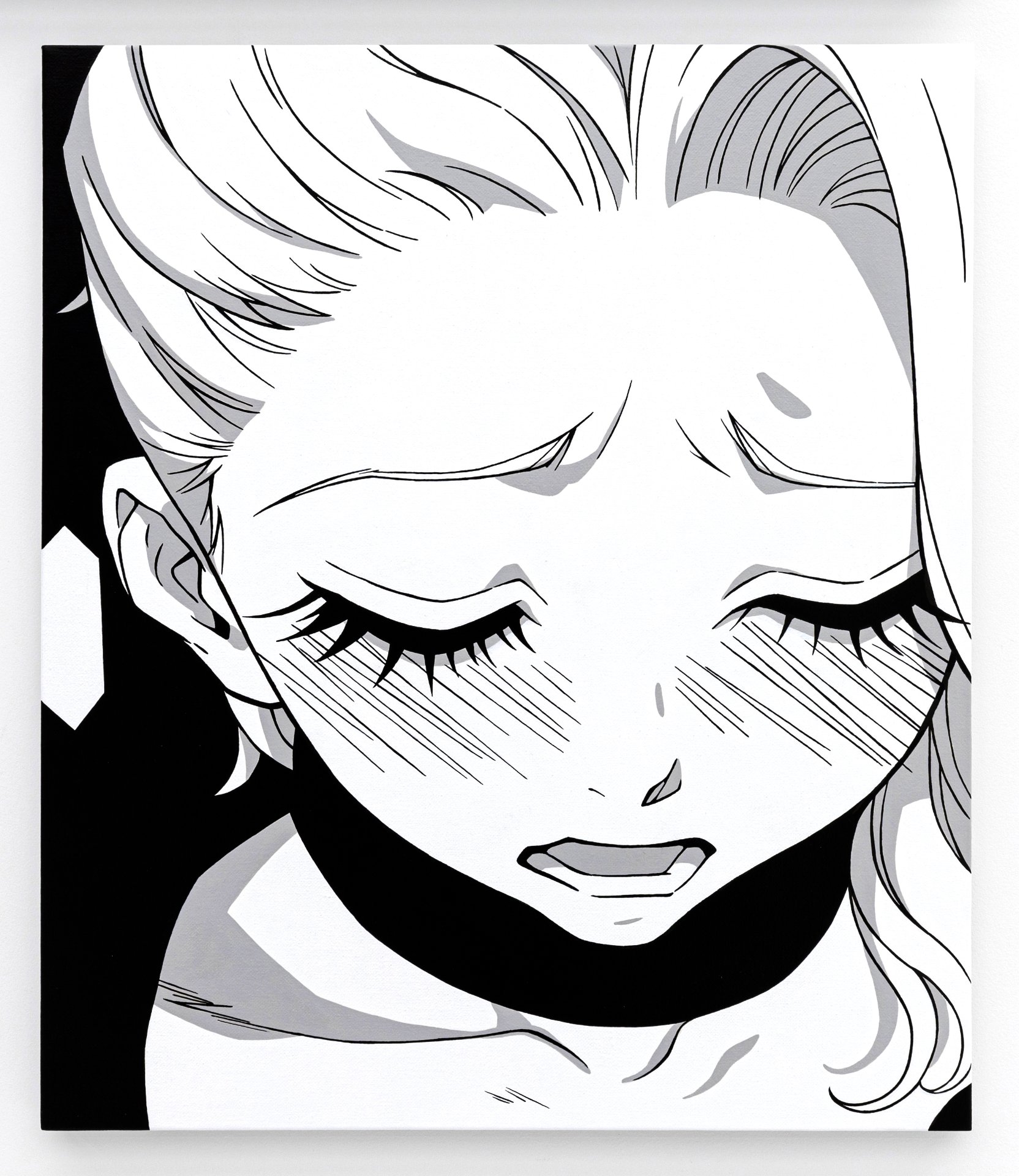
Laocoon, 2024, Acrylic on canvas, 53 x 45cm