Frames of Torso
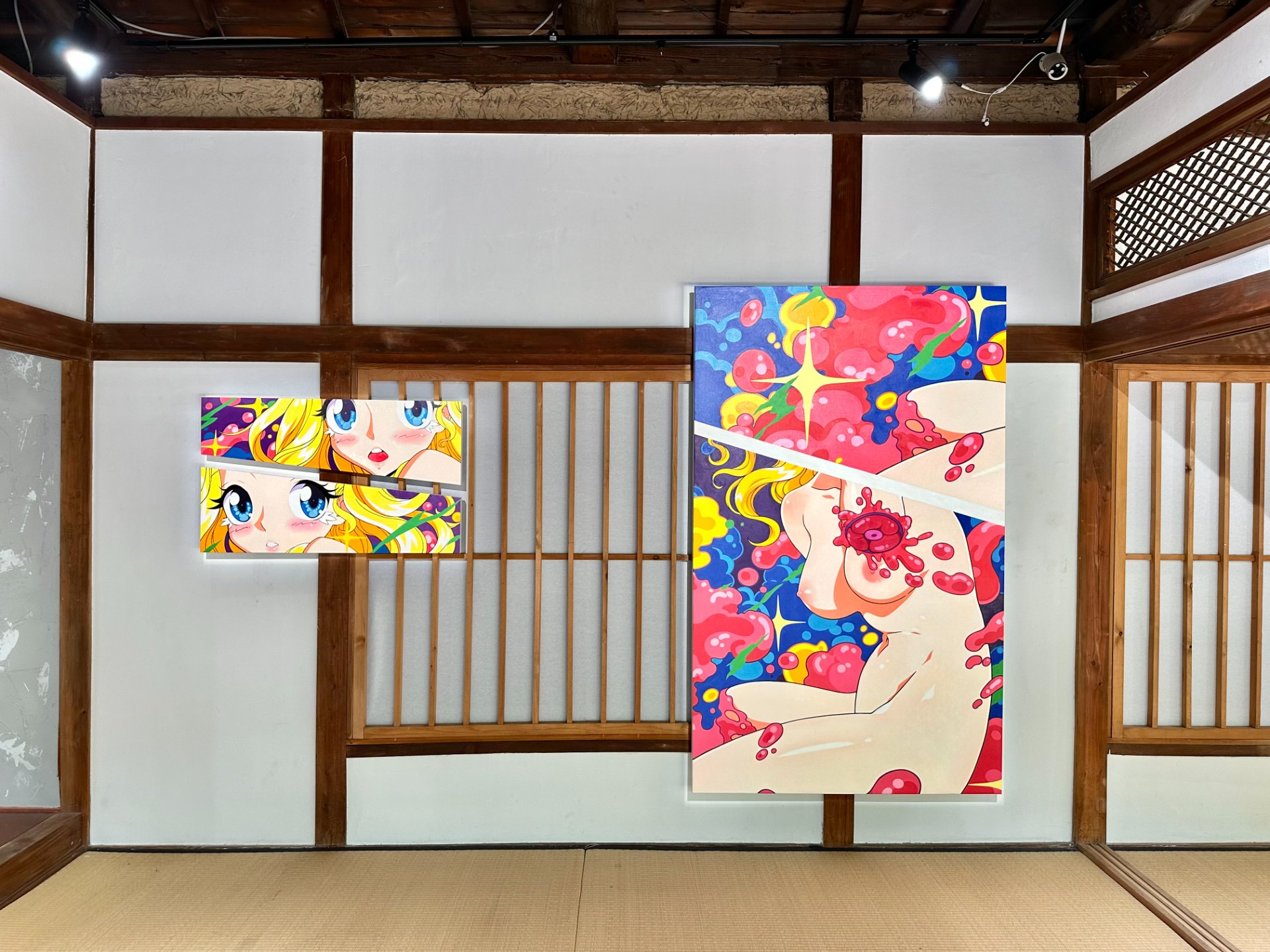
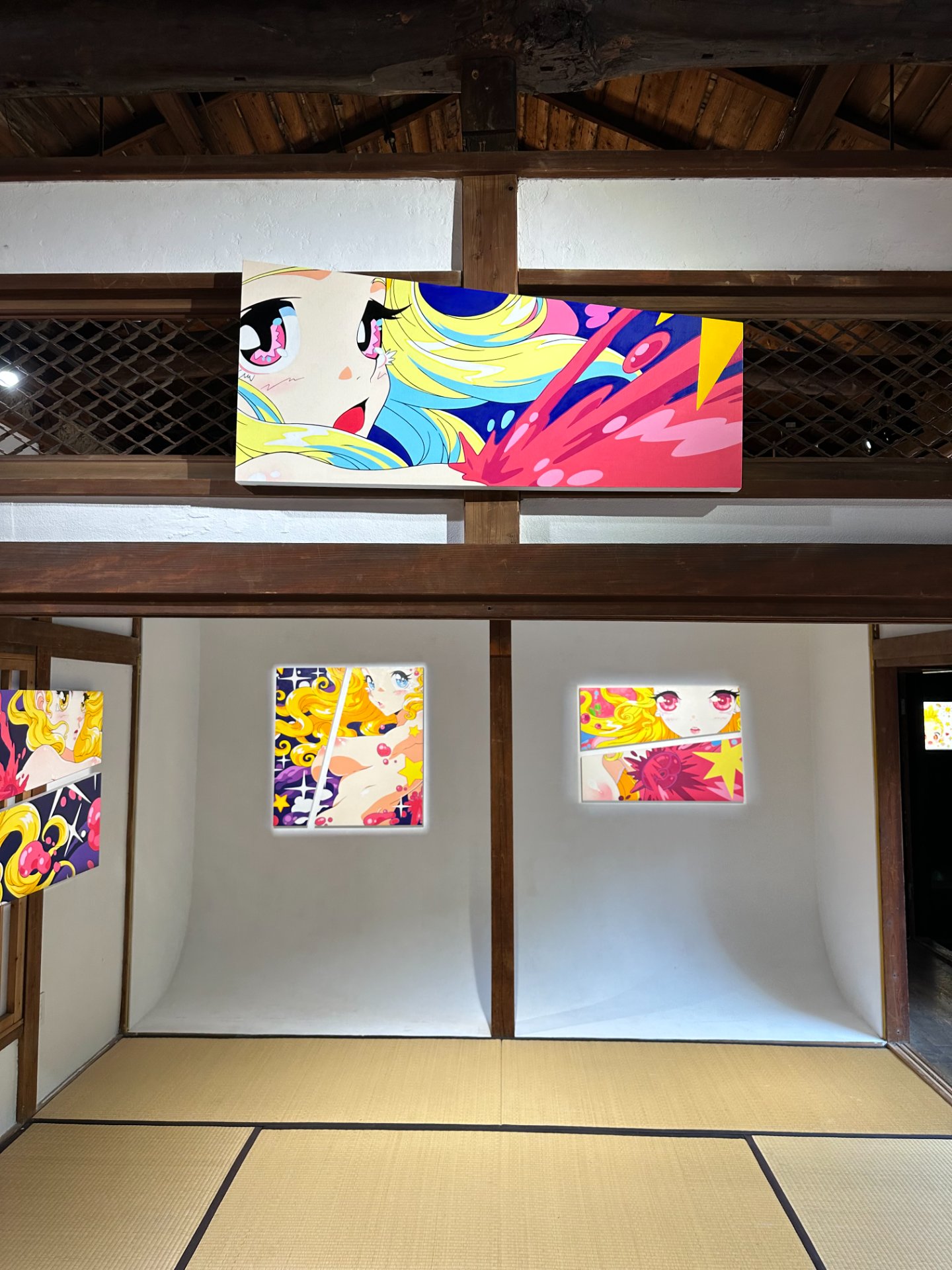
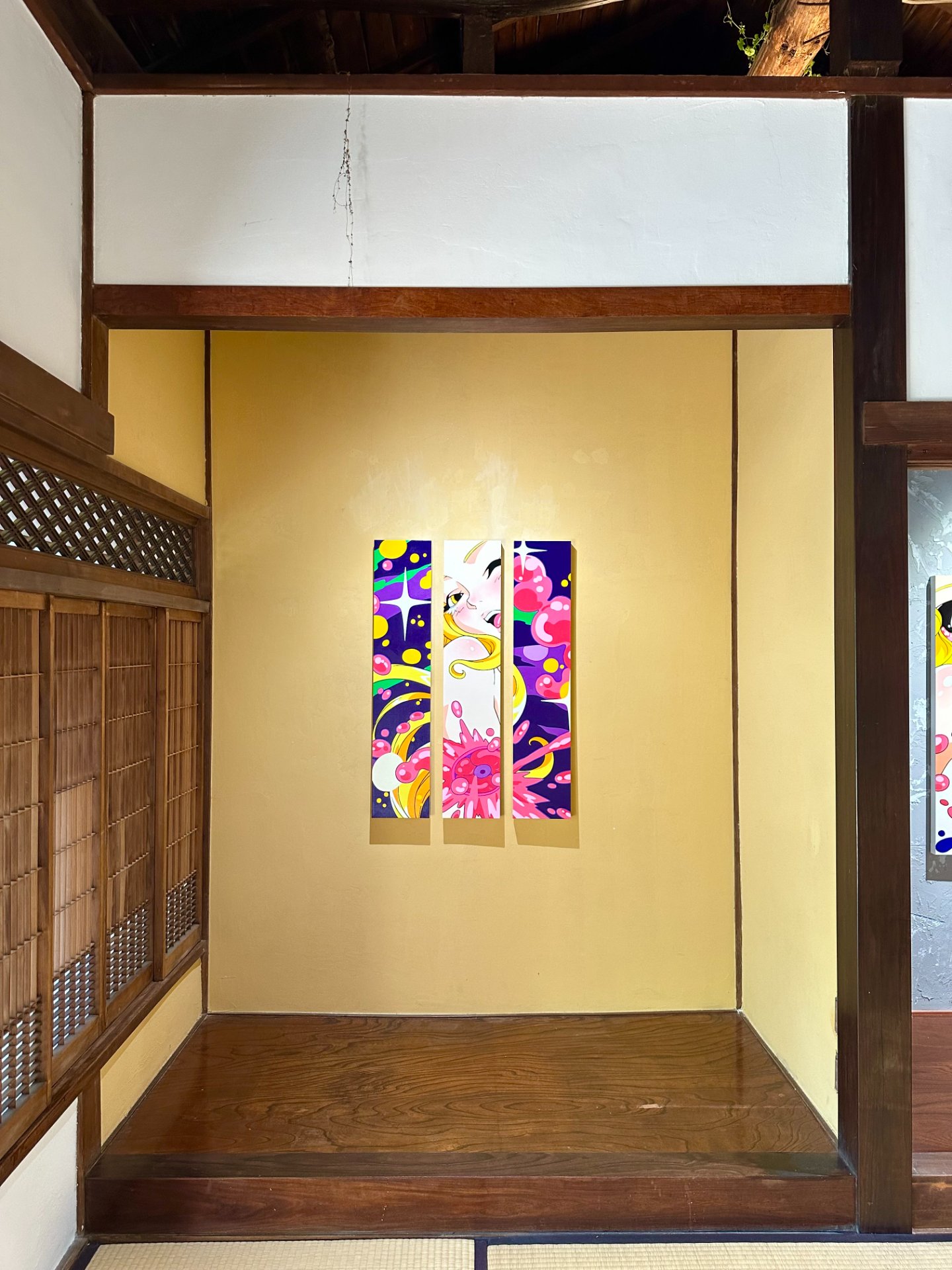
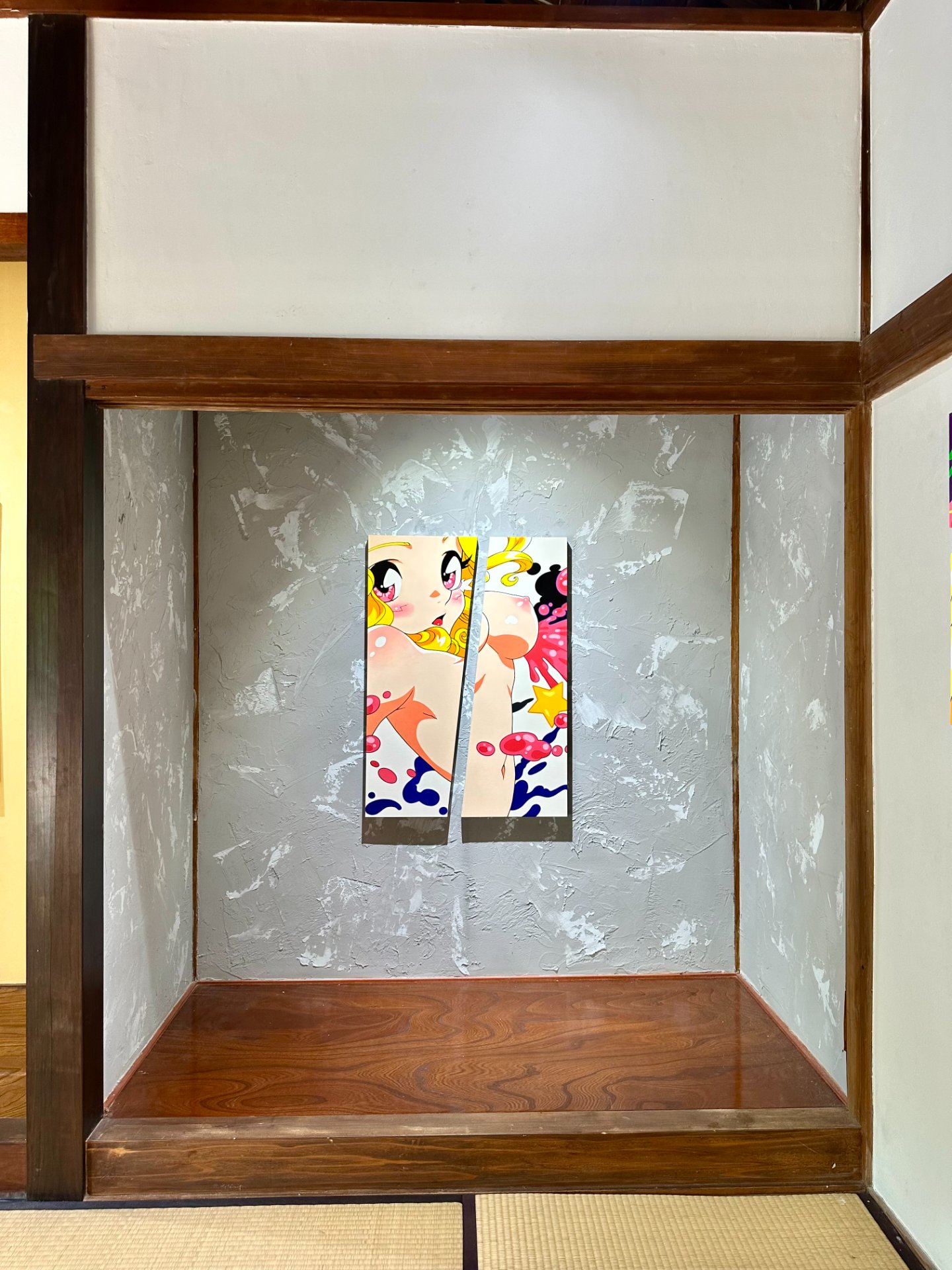
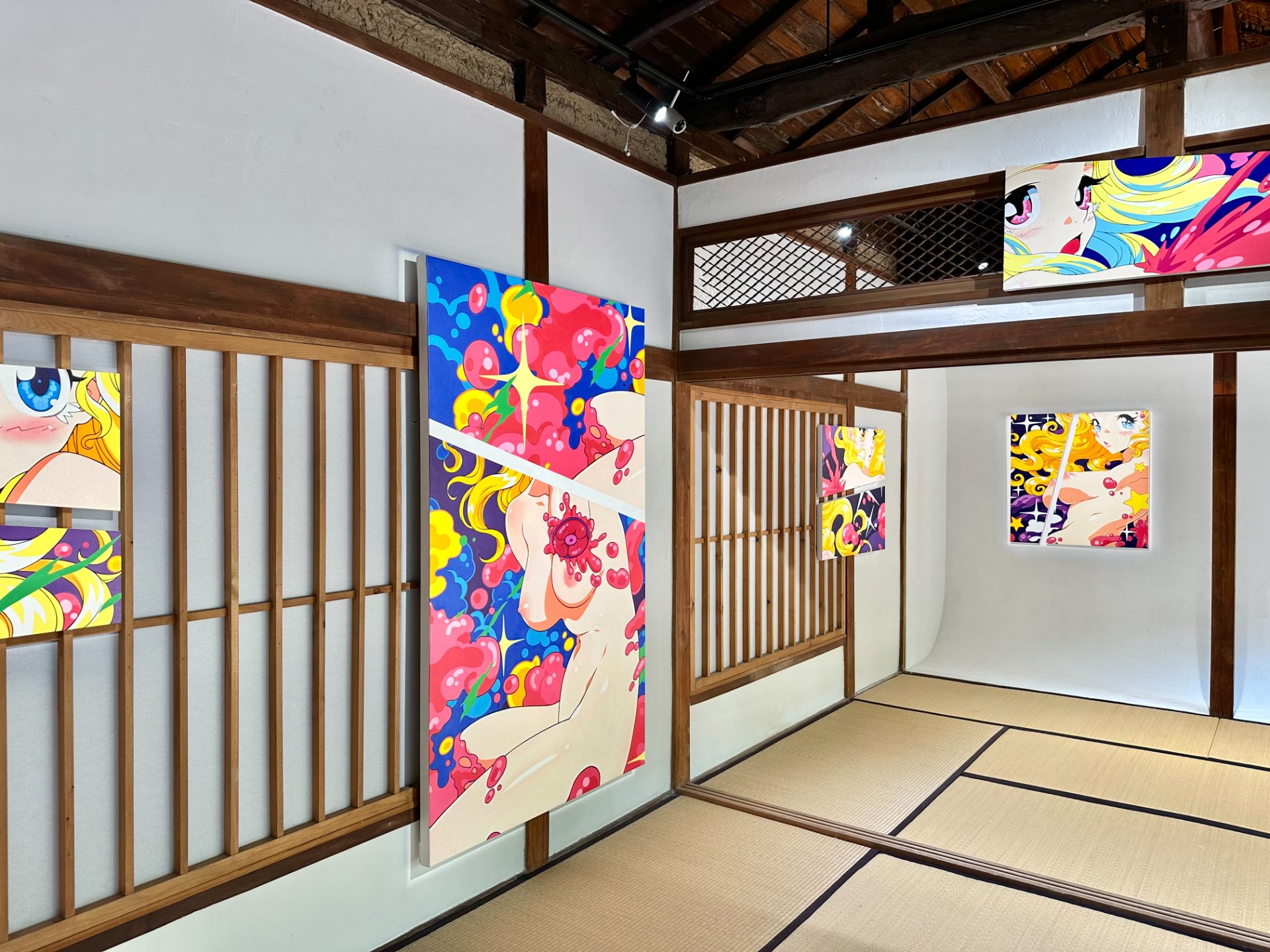
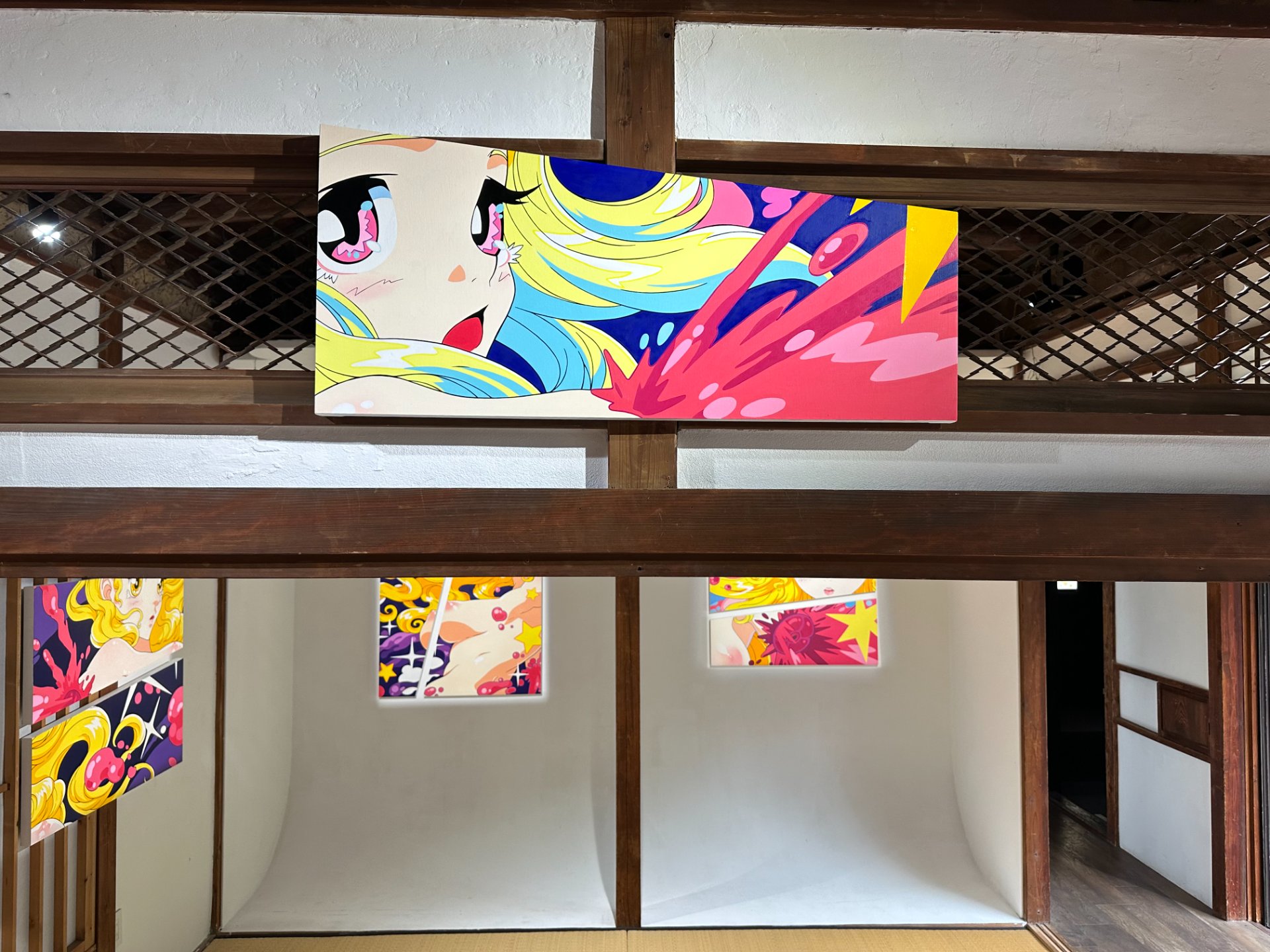
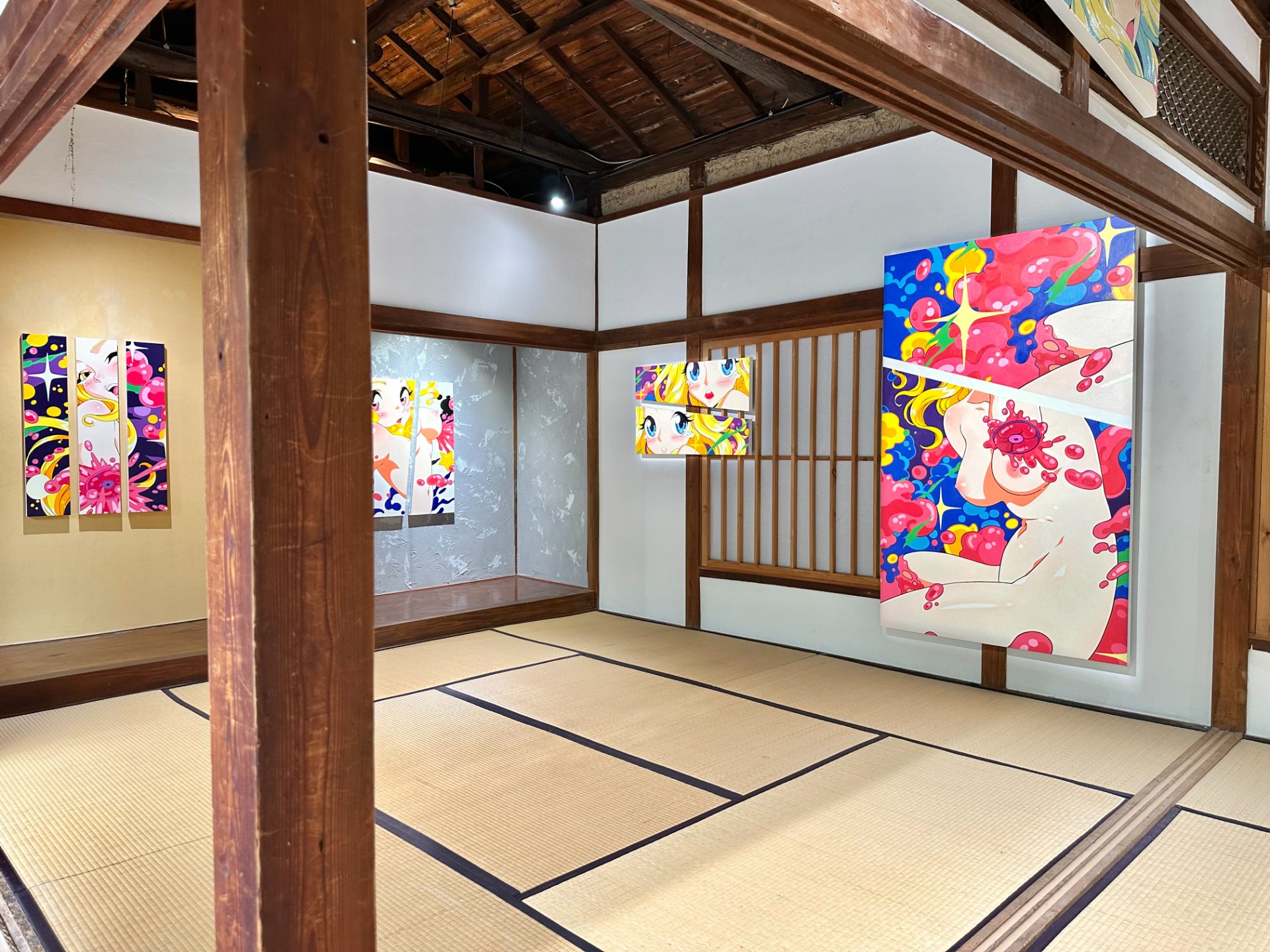
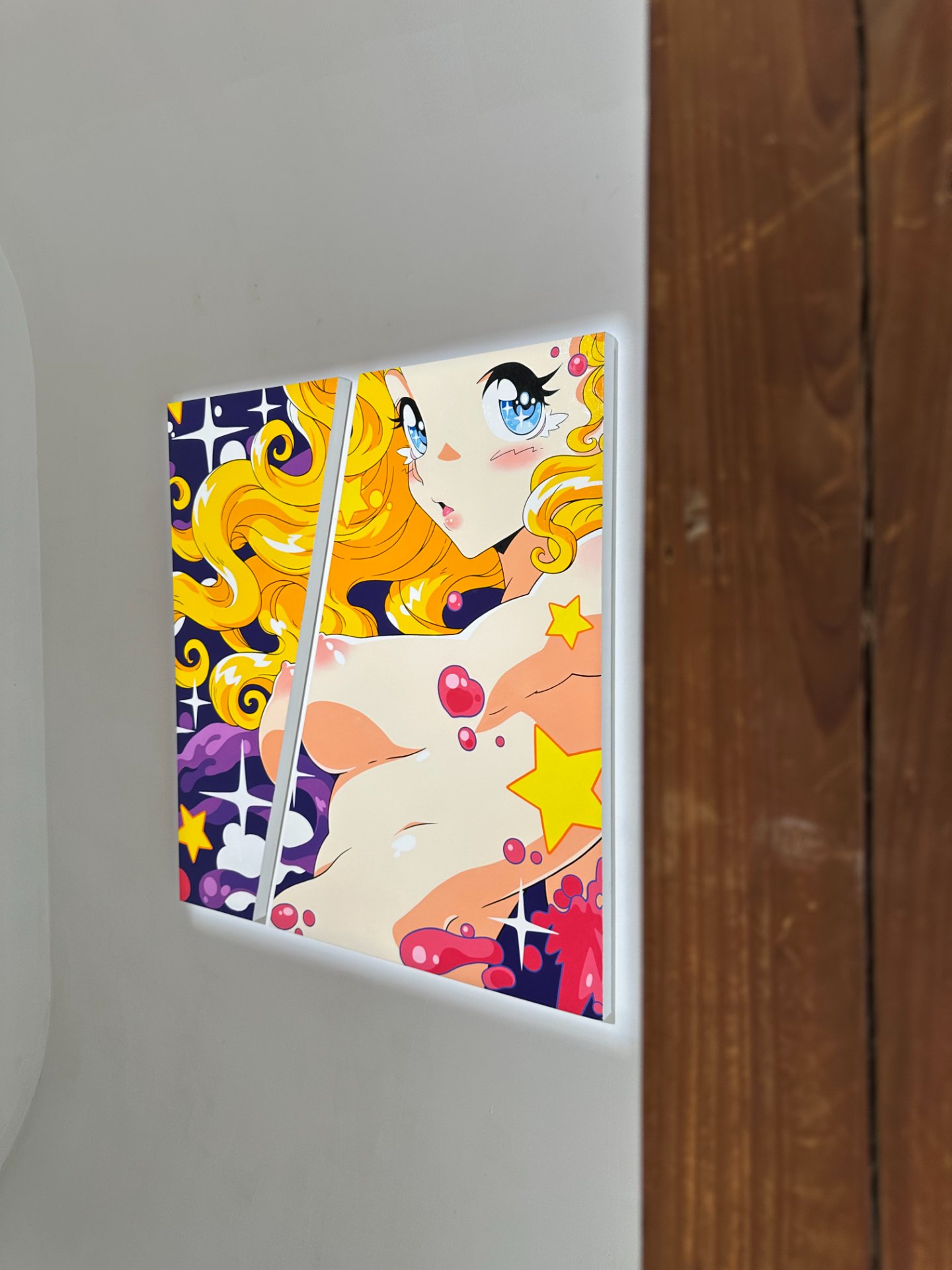
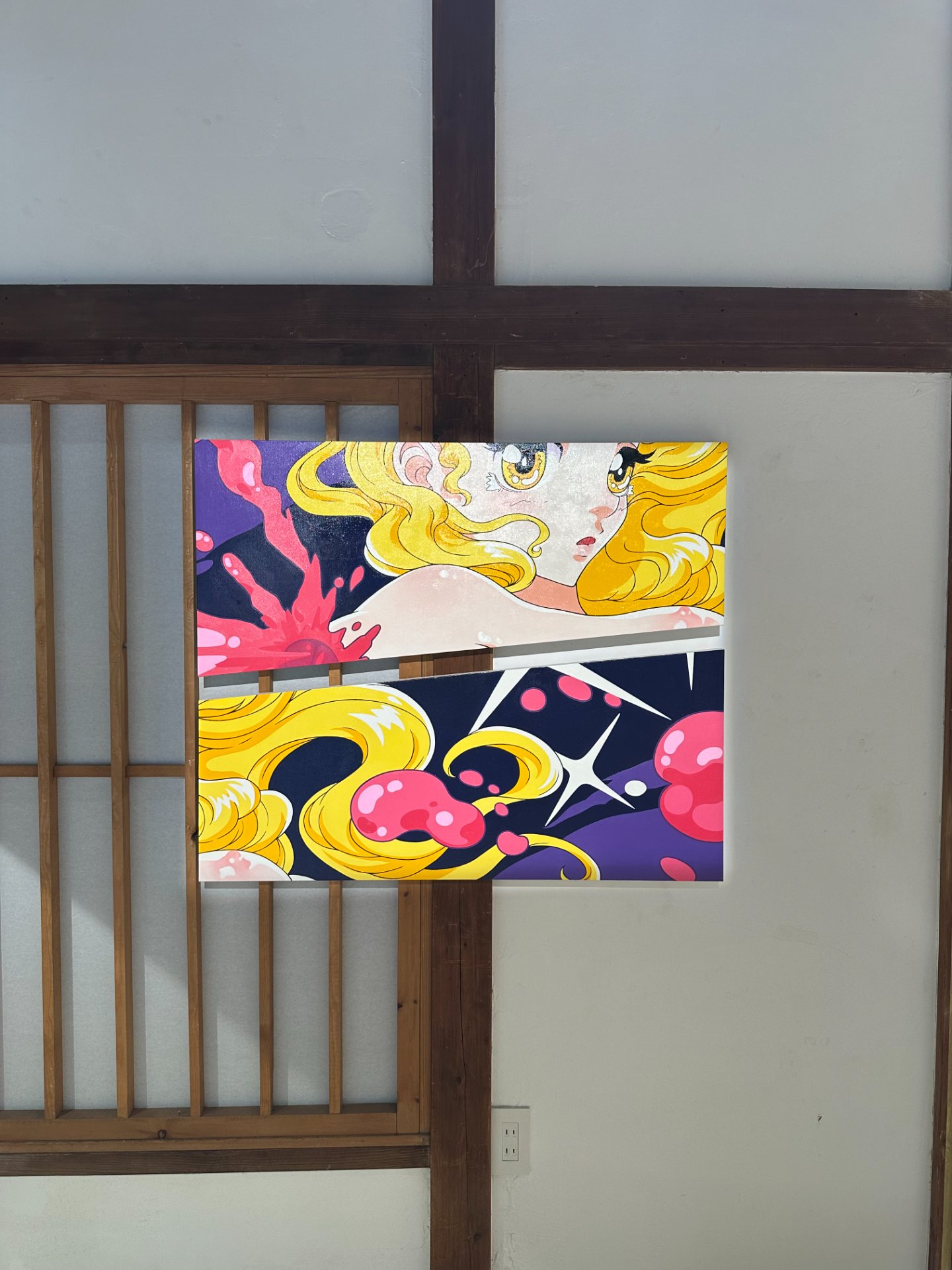
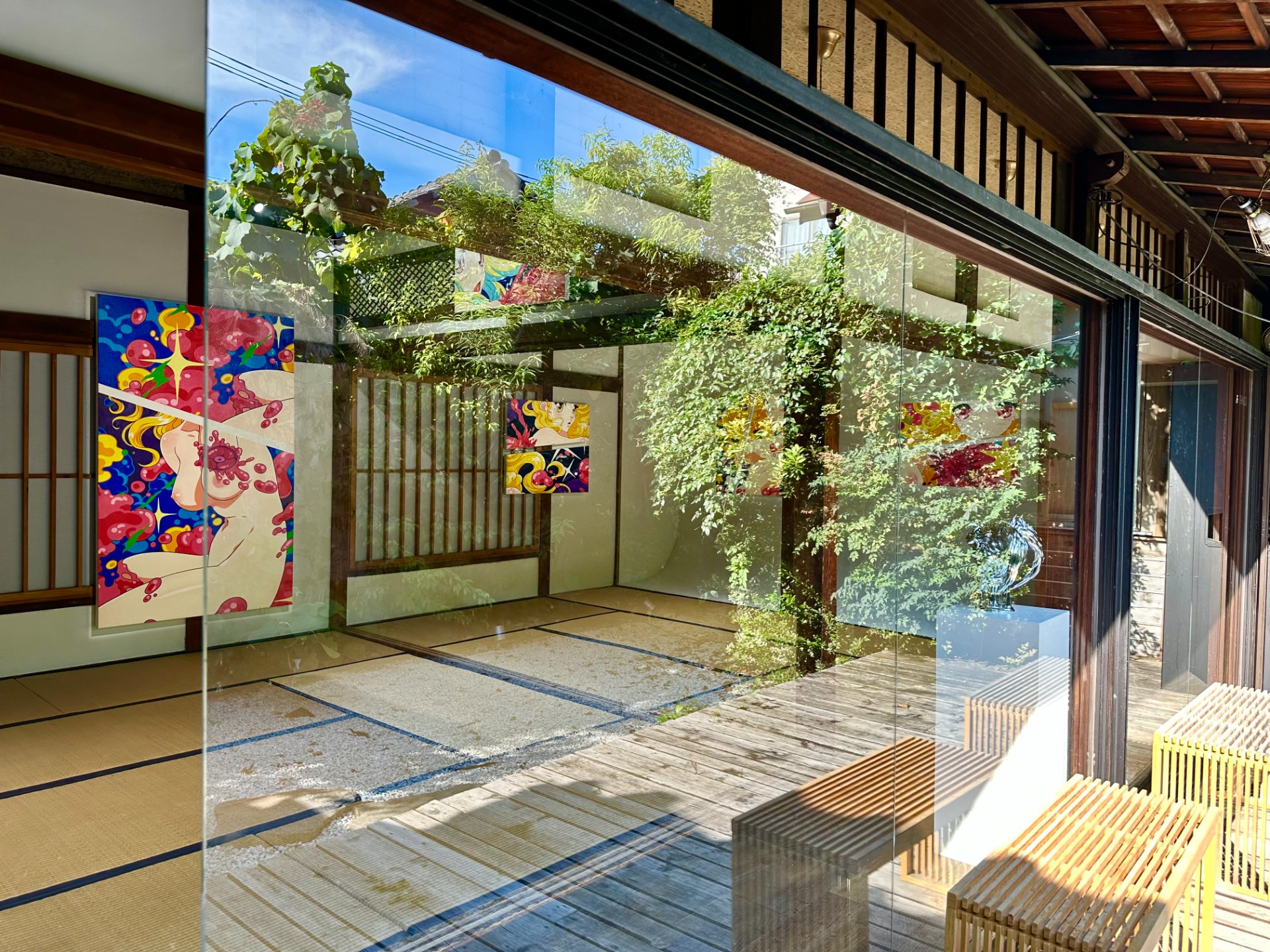
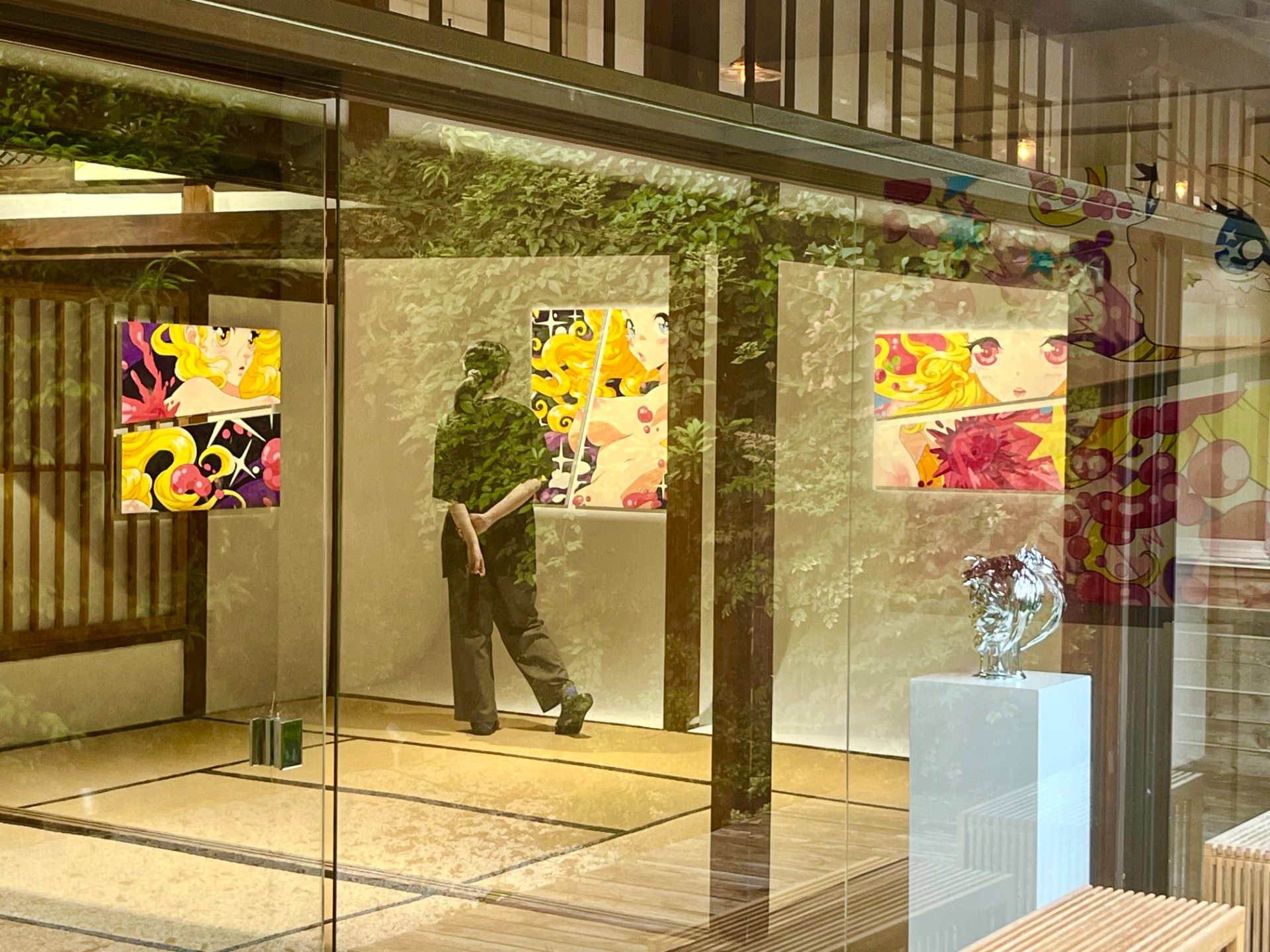
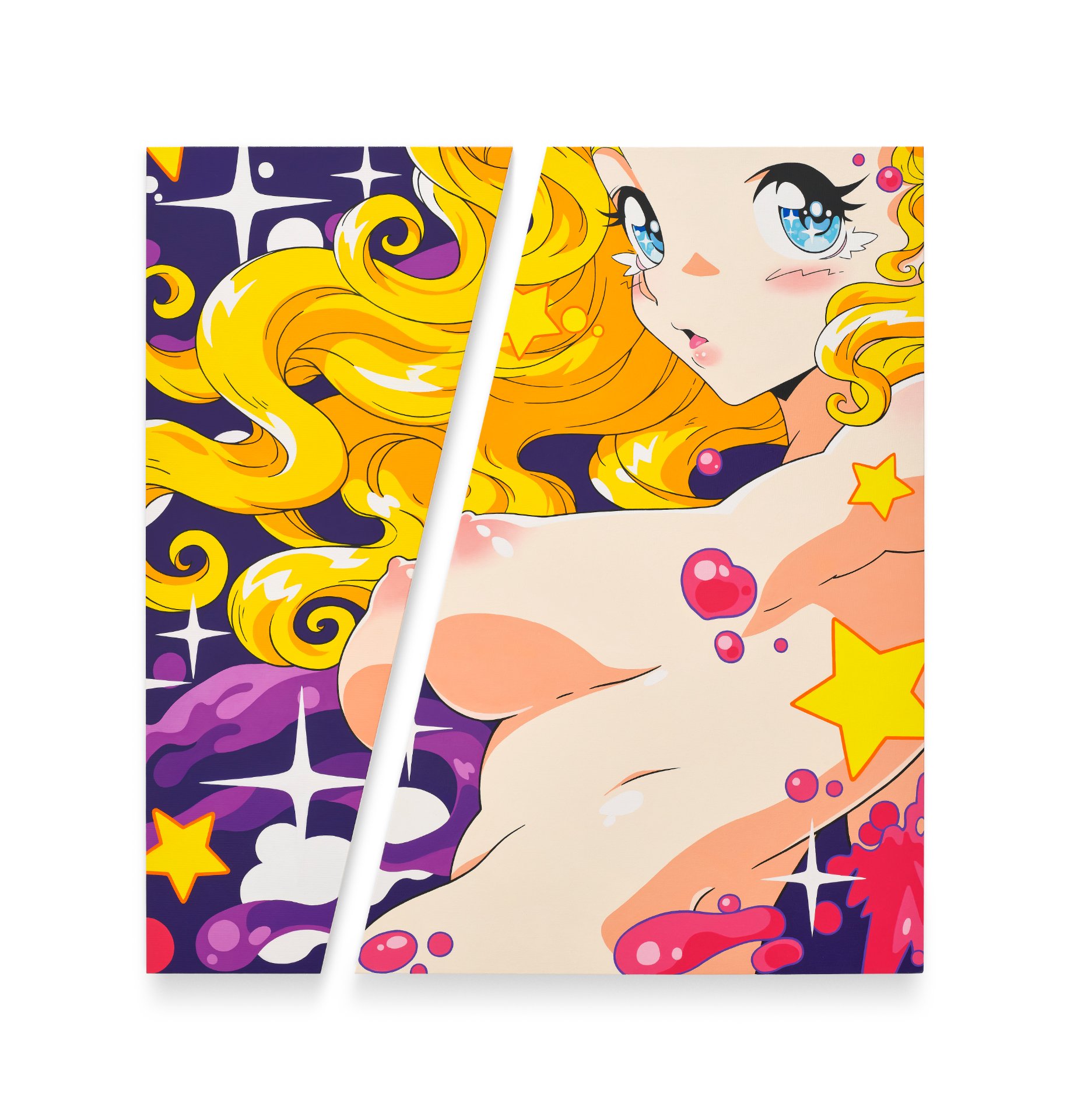
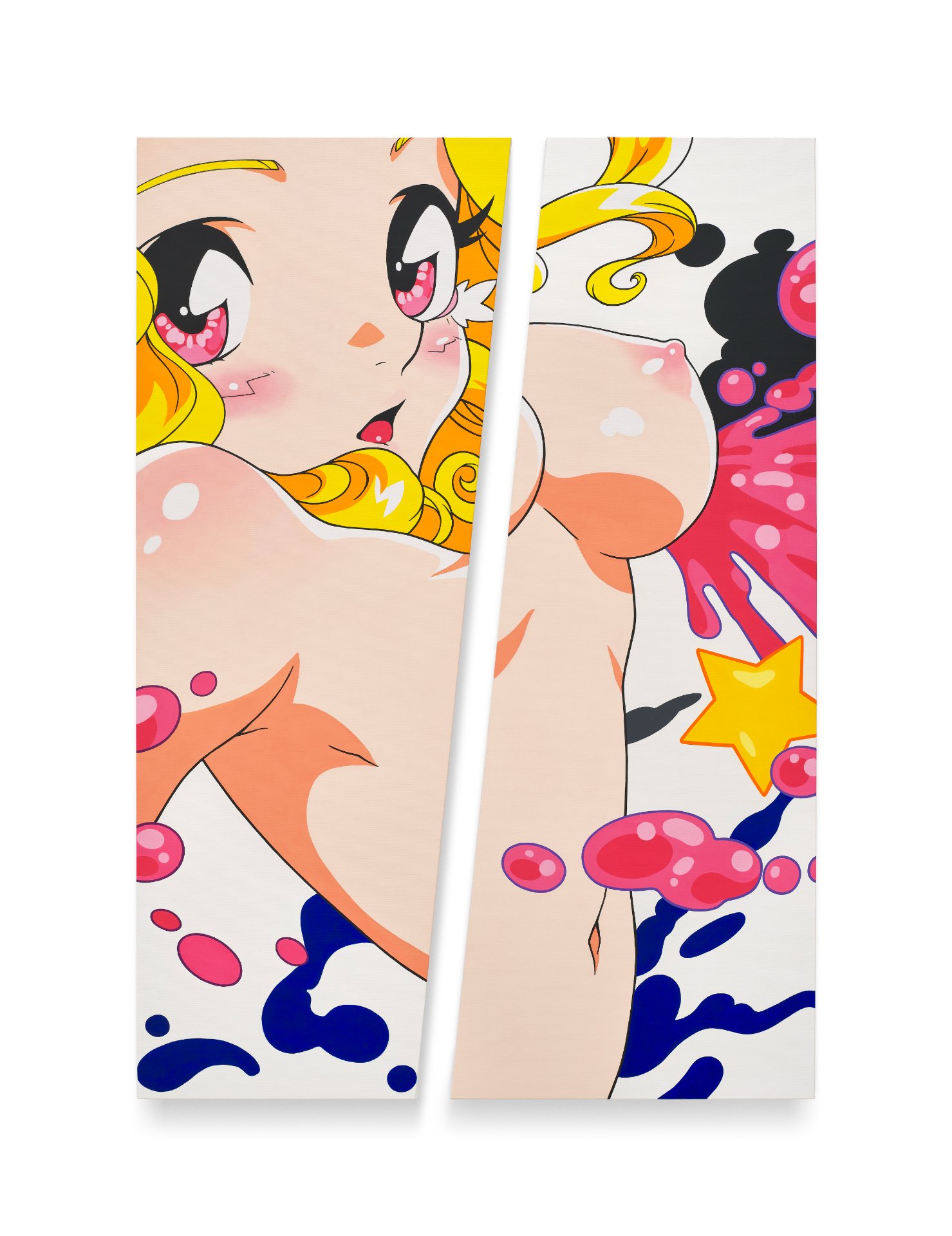
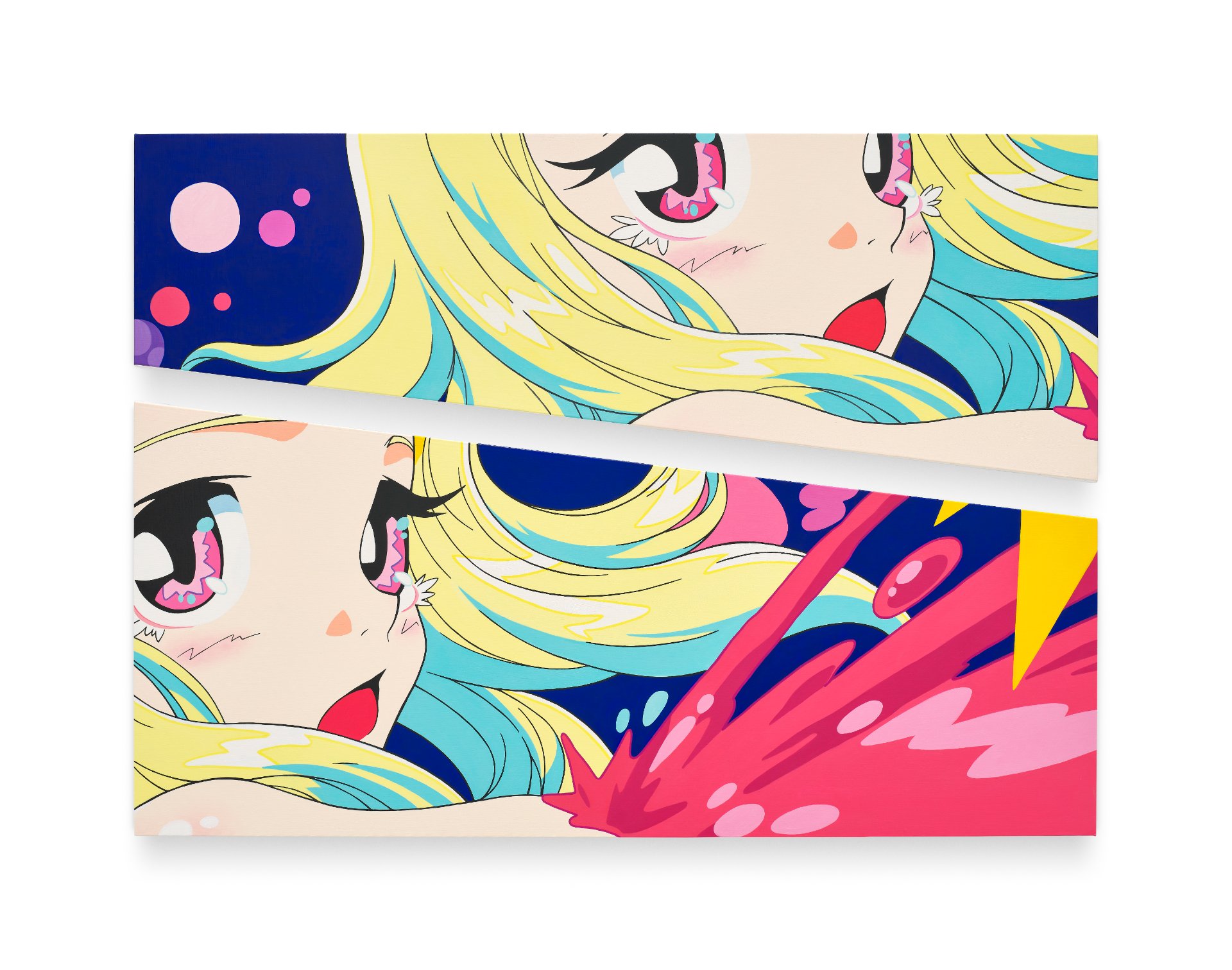
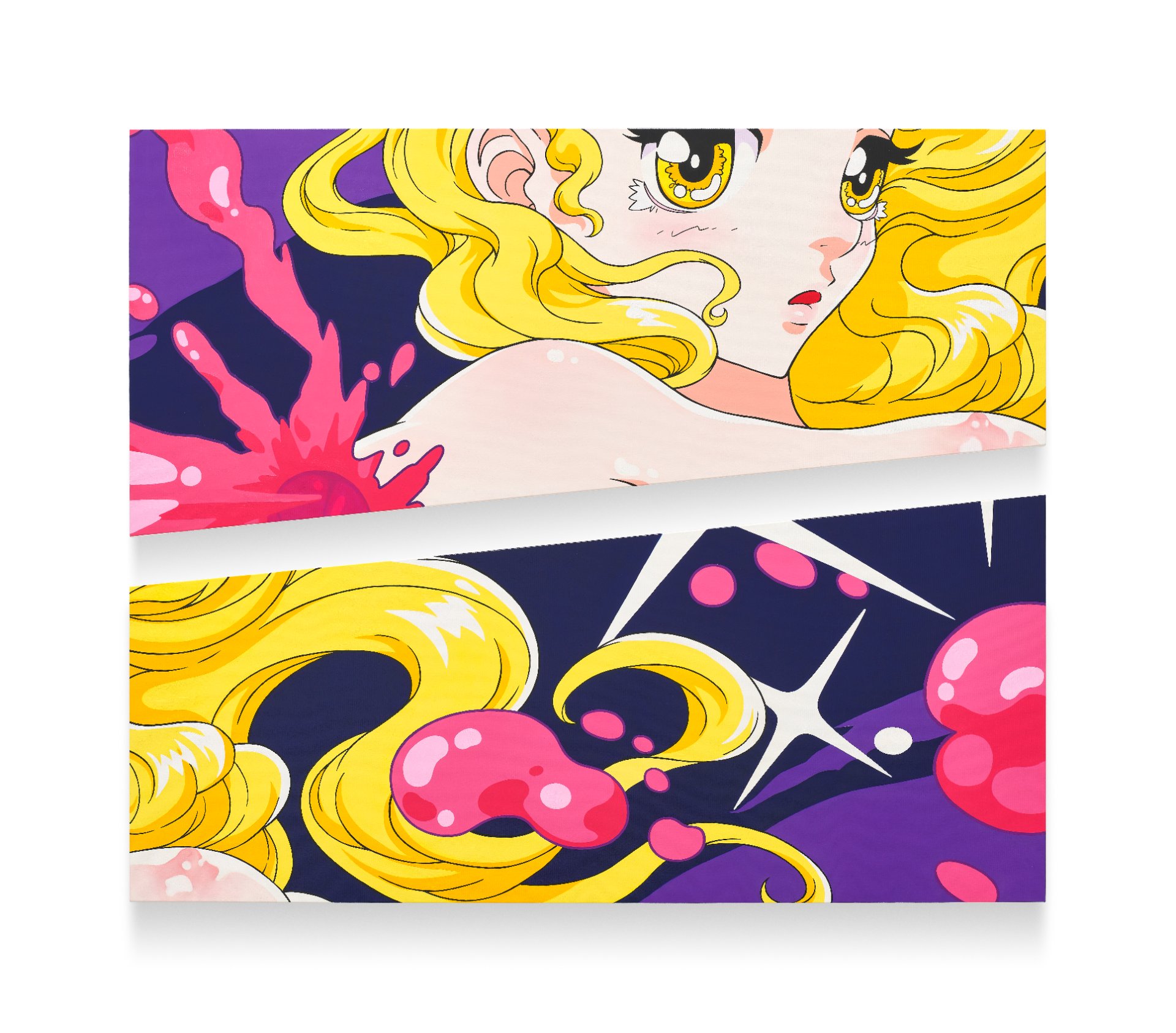
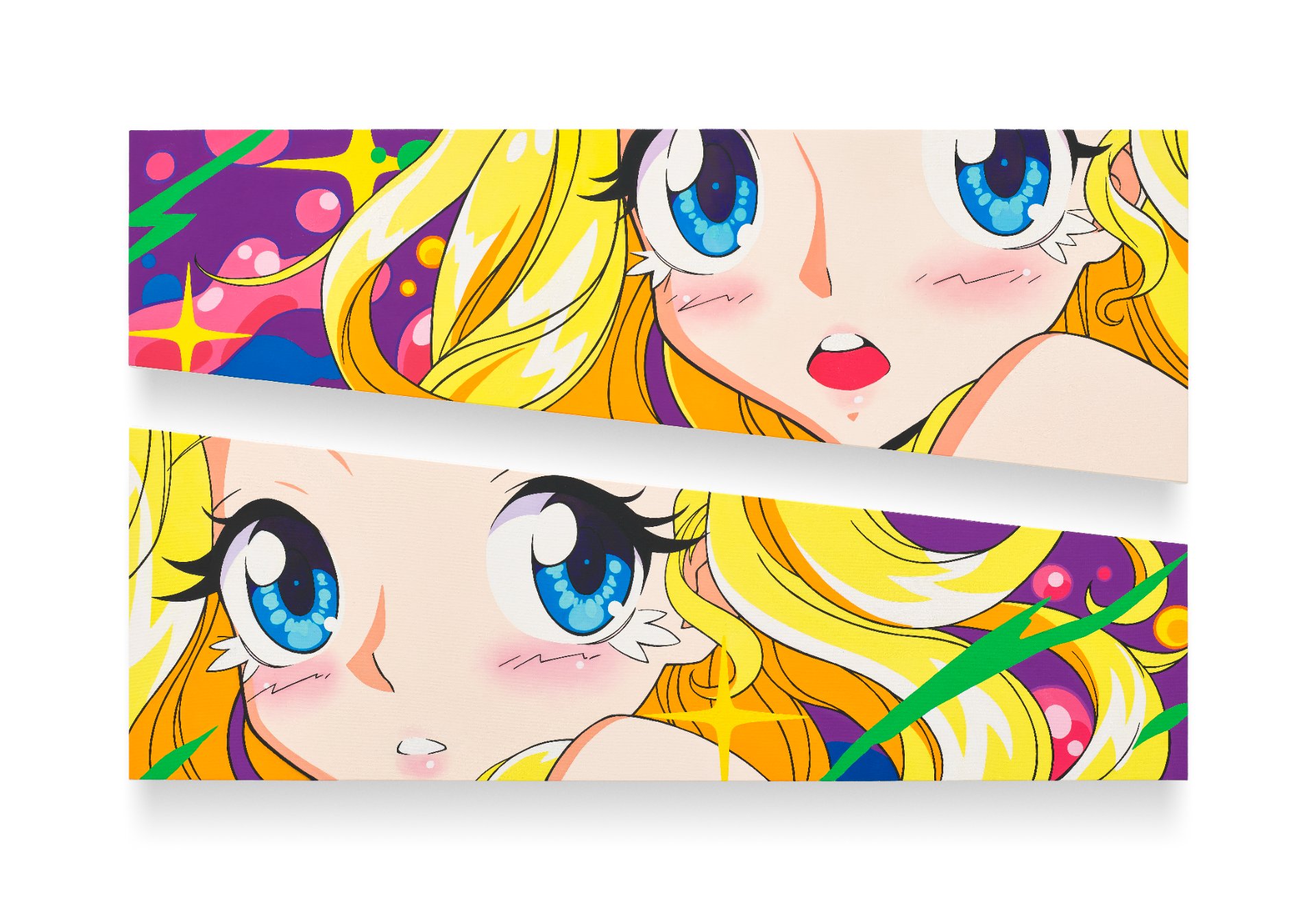
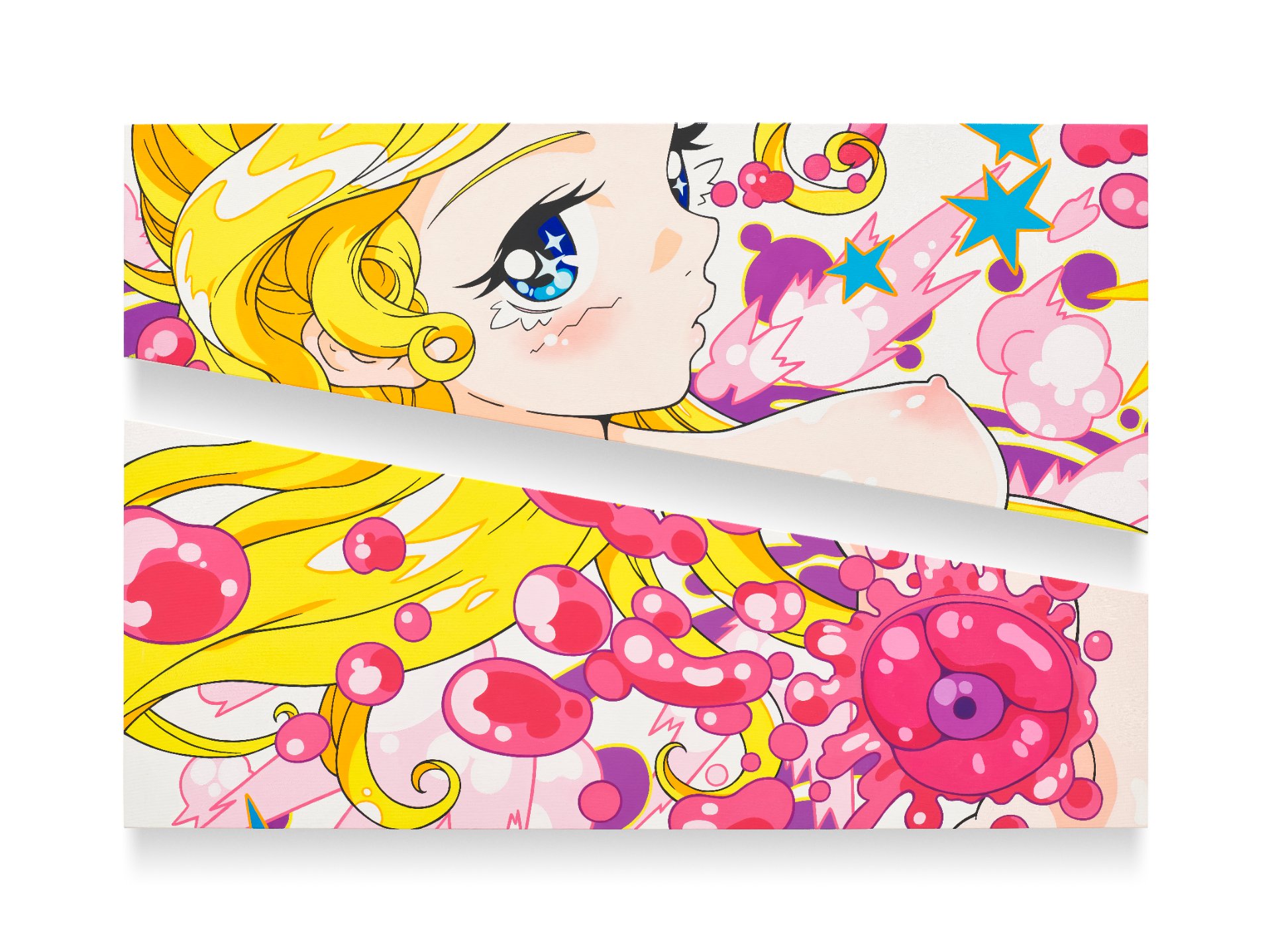
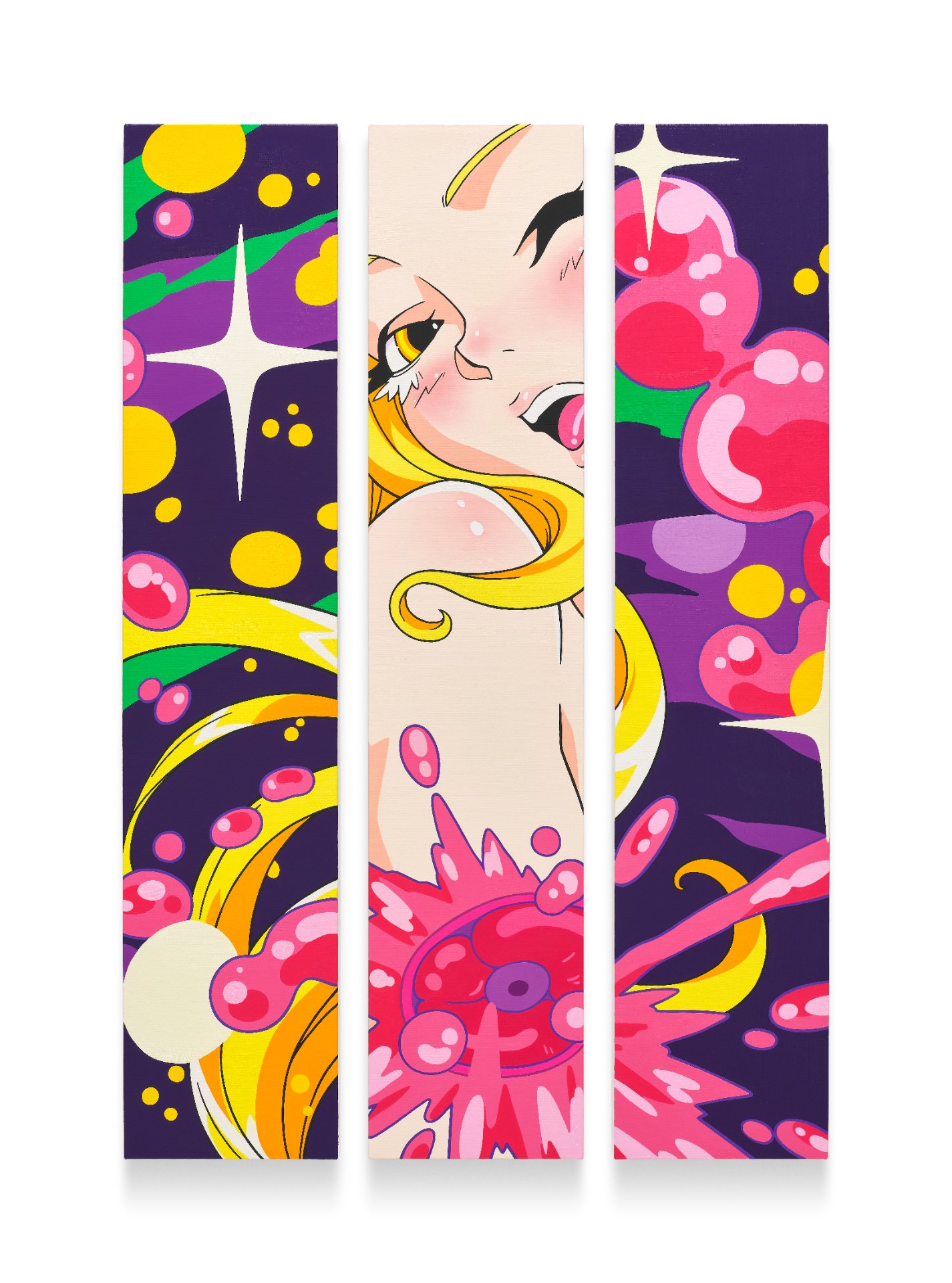
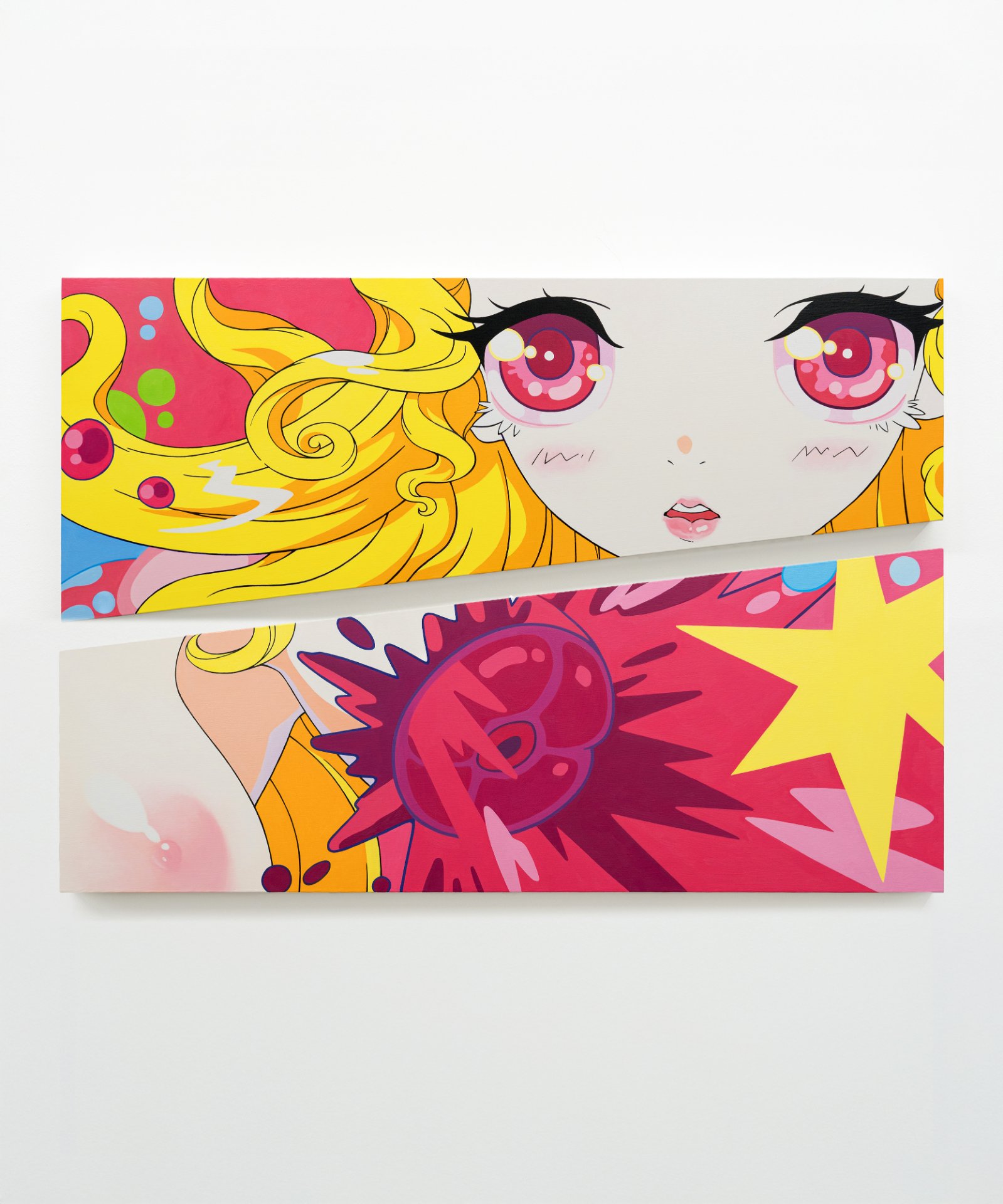
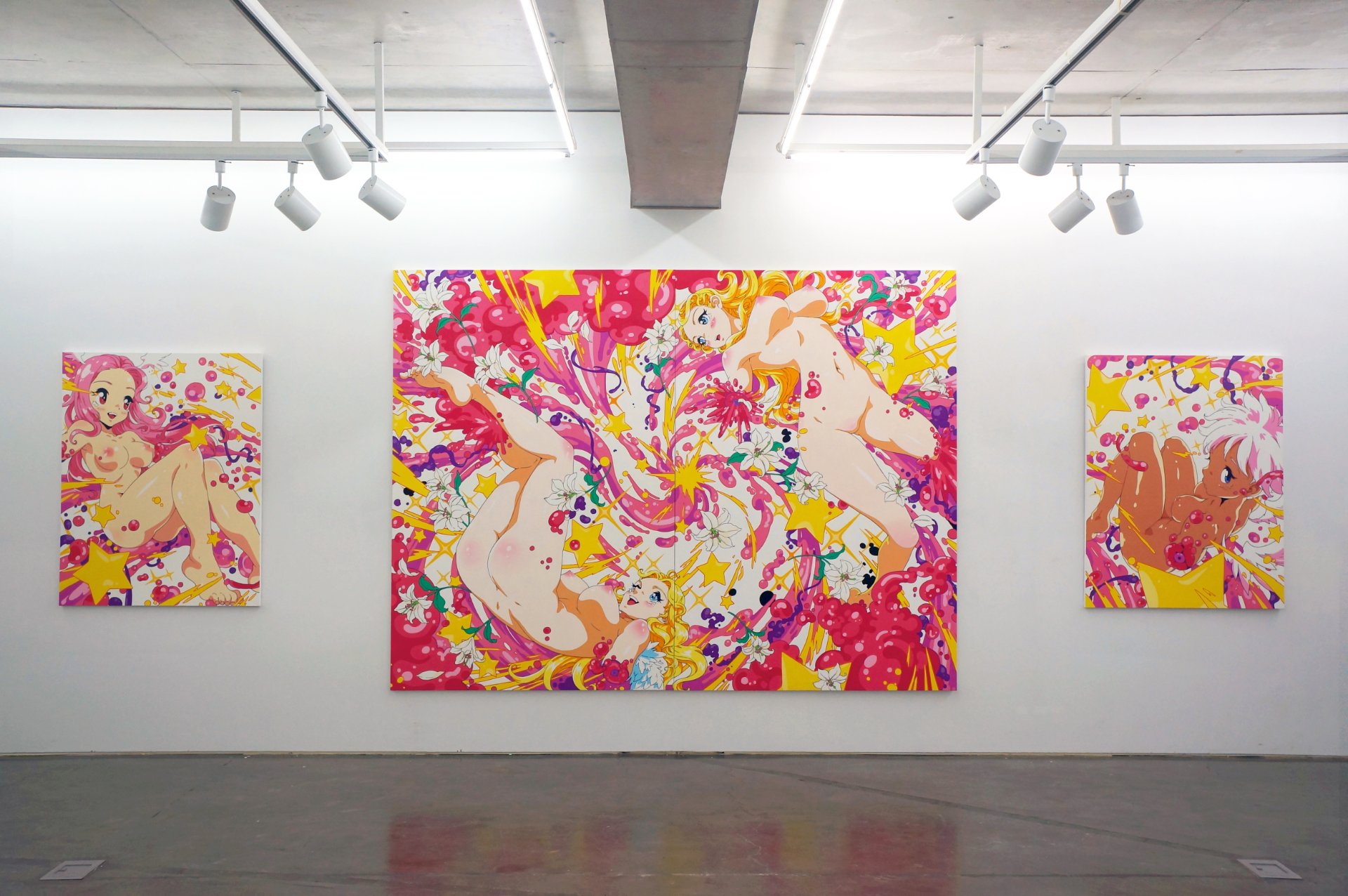
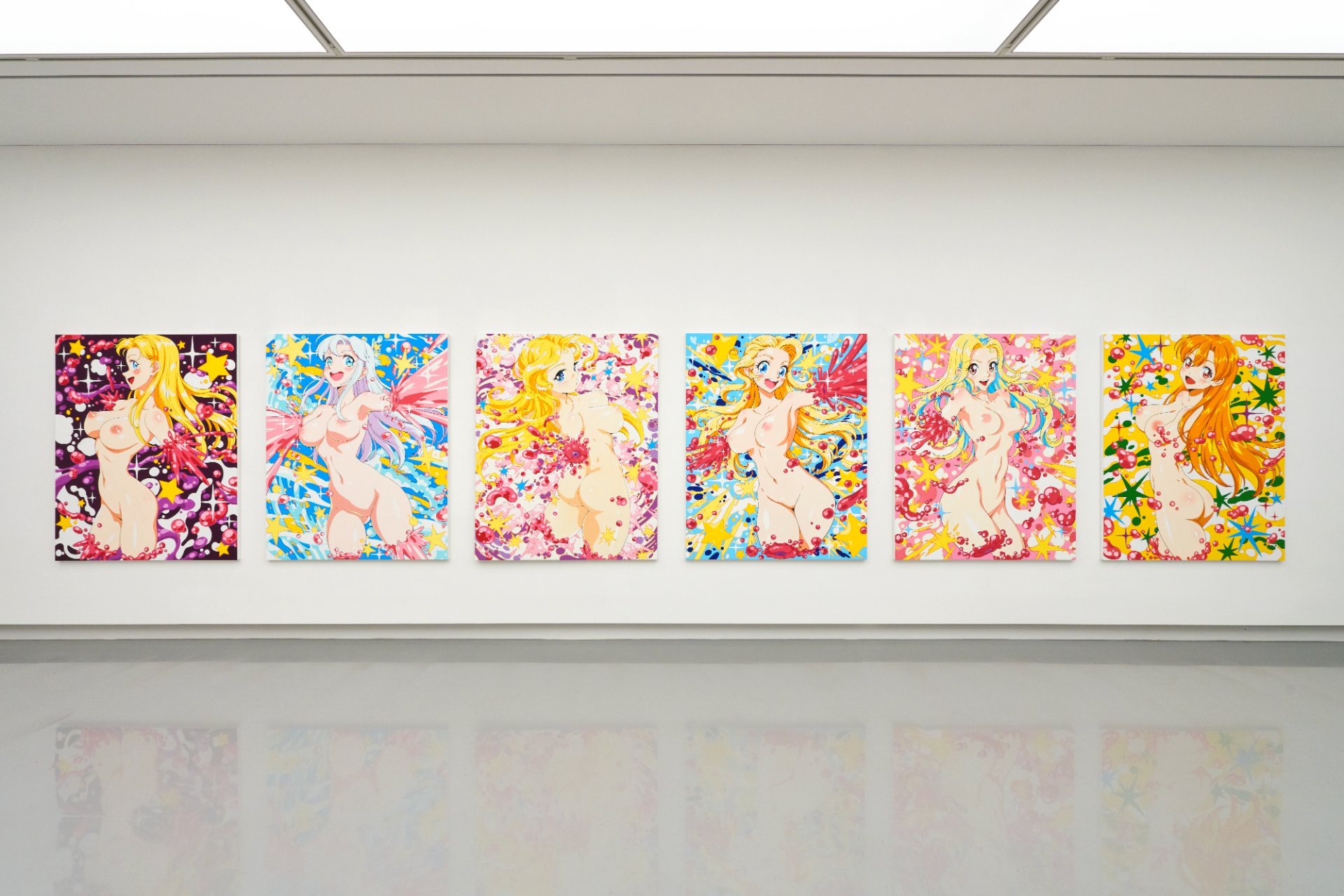
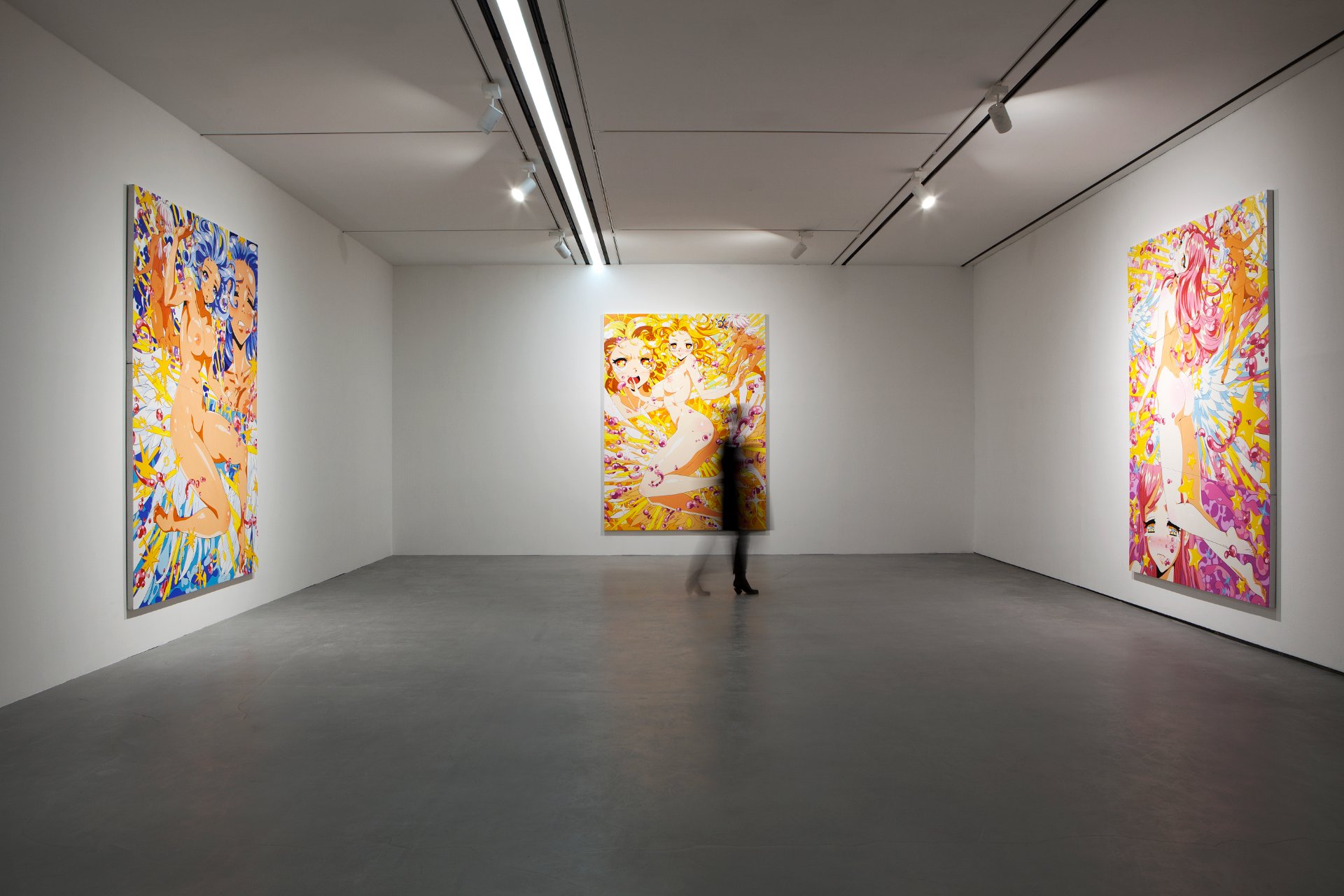
나는 부서진 조각 속에서 새로운 시각적 가능성을 읽어낸다. 나의 작업은 서로 다른 문화의 충돌을 수용하며, 아직 명명되지 않은 감각이 드러나는 지점을 탐색하는 공간이 되기를 지향한다. 〈Between the Frames: Fragment of Torso〉는 고전적 도상인 ‘토르소(Torso)’를 동시대 서브컬처의 시각 문법과 일본 전통 공간의 구조 속에서 재구성한 연작이다. 고대 조각의 파편화된 신체를 비정형 캔버스로 물리적으로 분리하고, 이를 만화의 ‘컷(Cut, 코마)’ 논리에 따라 배열함으로써 회화가 점유하는 시공간을 다층적으로 확장하고자 했다. 이미지를 절단하고 중첩하며 일부만을 남긴 형상은 고전 회화의 단일 시점을 해체하는 동시에, 디지털 스크린의 레이어와 윈도우를 통해 세계를 분절적으로 인식하는 현대적 시각 경험을 반영한다. 이번 연작에서 비정형 캔버스의 분할은 단순한 형태 실험이 아니라, 만화가 서사 전체 중 결정적인 순간을 포착해 감각을 증폭시키는 ‘컷’의 본질과 맞닿아 있다. 특히 다다미방의 목조 구조와 창살이 만들어내는 물리적 분절은 작품 속 여백(gutter)과 결합되며, 전시 공간 전체를 하나의 확장된 만화적 프레임으로 전환시킨다. 두 개의 비정형 캔버스 사이에 남겨진 물리적 간극, 즉 ‘틈’은 토르소에서 소실된 신체의 일부이자 관객의 시선이 머무는 장소다. 얼굴이 절단된 채 화면 밖으로 밀려나거나 분절된 신체는 보는 행위 자체를 다시 묻게 한다. 이 작업은 형상과 여백, 연속과 단절 사이에 형성되는 긴장을 통해, 고전적 도상이 동시대의 시각 문법 안에서 어떻게 새로운 감각으로 재구성될 수 있는지를 탐색한다.
I find new visual possibilities within broken fragments of sculpture. My work embraces the collision of different cultural languages and seeks to create a space where yet-unnamed sensations can emerge. Between the Frames: Fragment of Torso is a series that reconfigures the classical motif of the “torso” through the visual grammar of contemporary subculture and the spatial structure of traditional Japanese architecture. In this project, the fragmented body of ancient sculpture is physically separated into irregularly shaped canvases. These canvases are then arranged according to the logic of the manga “cut” (koma), expanding the spatial and temporal dimensions that painting can occupy. Images that are sliced, layered, and partially withheld simultaneously dismantle the single-point perspective of classical painting while reflecting a contemporary mode of perception shaped by digital screens—where the world is experienced through layers, windows, and fragmented visual fields. Within this series, the division of irregular canvases is not merely a formal experiment but resonates with the essential function of the manga cut: capturing a decisive moment from a larger narrative and intensifying sensory experience. In particular, the wooden framework and lattice structures of a tatami room introduce a physical segmentation of space that interacts with the pictorial gutter within the works, transforming the exhibition space itself into an expanded comic-like frame. The physical gap between two irregular canvases—the interval or “void”—functions simultaneously as the missing portion of the torso and as a space where the viewer’s gaze momentarily rests. Faces pushed outside the frame or bodies fragmented across separate surfaces compel the viewer to reconsider the act of looking itself. Through the tension formed between figure and void, continuity and interruption, this series explores how a classical icon can be reconfigured within contemporary visual language to generate new modes of perception.